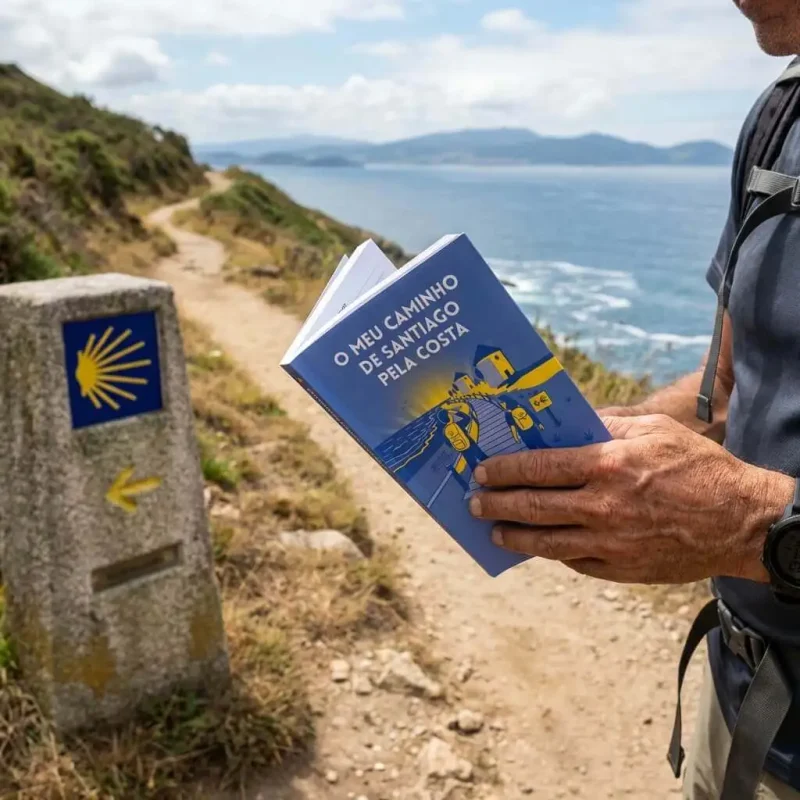
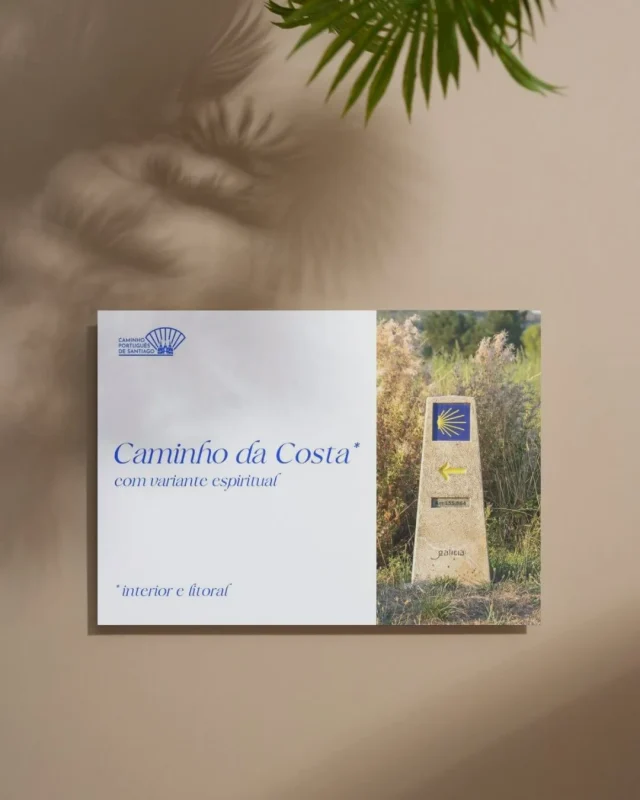
The Coastal Way is one of the original routes of the ancient pilgrimage trail to Santiago de Compostela. Rediscovered and promoted in recent years, it follows ancient Jacobean routes that connect the land, the sea, and history. According to data from the Pilgrim's Office, in 2025 around 90,000 pilgrims chose the Coastal Way to reach Santiago, confirming its growth and importance among the Portuguese routes.

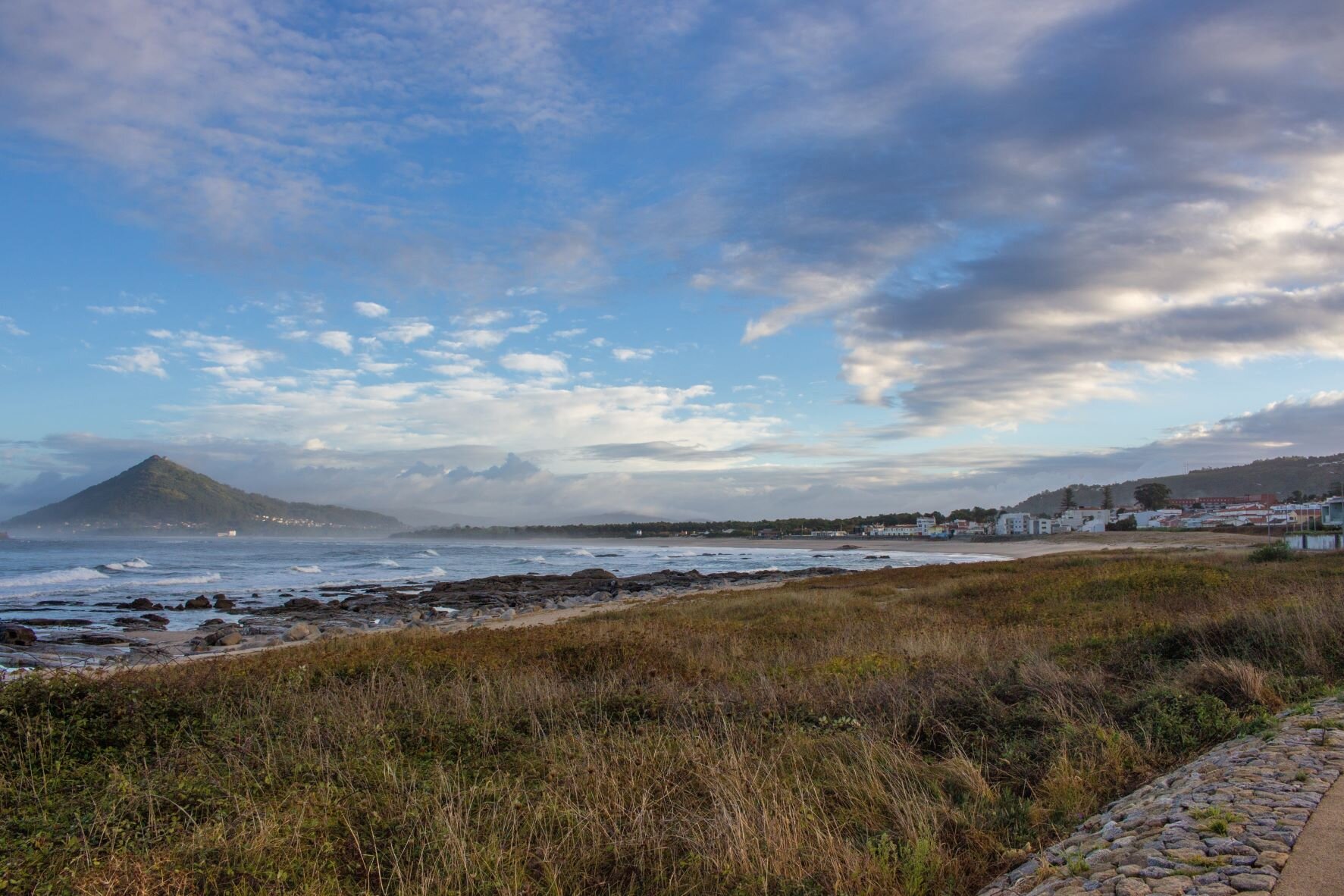
The Coastal Trail begins in Porto and stretches for approximately 150 kilometers to Valença, with the Atlantic Ocean as a constant presence. The proximity to the sea, the sound of the waves, and the light reflected on the Atlantic create an atmosphere of contemplation and introspection, making each stage a sensory experience deeply connected to the memory of the territory.

During the Middle Ages, especially between the 12th and 15th centuries, this route played a fundamental role at a time when sea routes were essential for mobility and trade. Coastal cities and towns such as Porto, Viana do Castelo, and Caminha became important points of passage and welcome, a tradition that can still be felt today along the route.

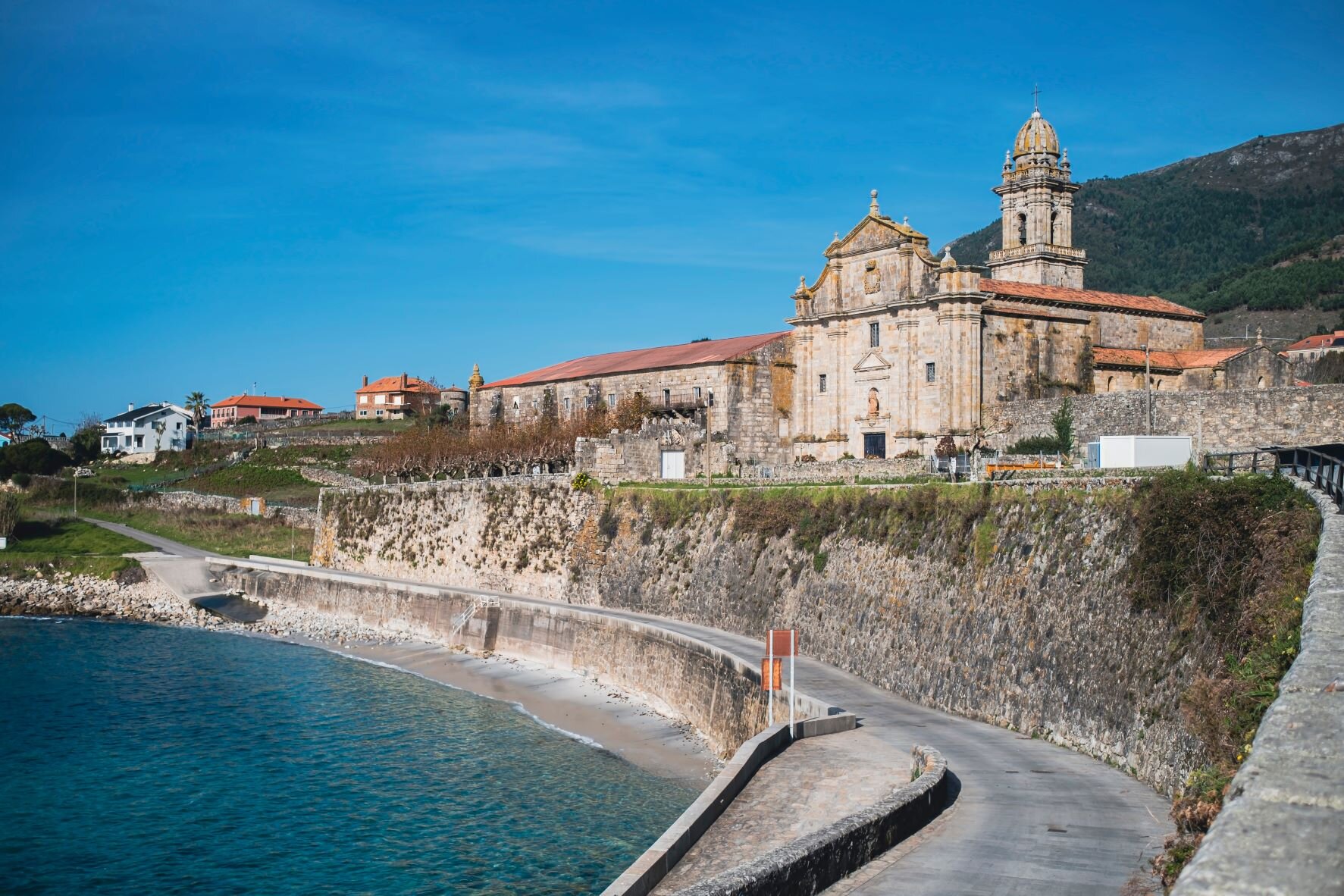
The Coastal Way is also a route of choices. In Caminha, pilgrims can choose to continue on to Valença, where the route joins the Portuguese Central Way, remaining in Portugal until Santiago. There is also the alternative of the Coastal Path, which crosses the Minho River into Spain and follows the coast until it joins the Central Way further on, in Redondela.

Landscape-wise, the Coastal Trail stands out for its diverse scenery, including coastal walkways, fishing villages, and long stretches with the sea as your main companion. Despite its beauty, it is a demanding trail, marked by wind and exposure to the elements. Even so, each stage's end brings a sense of quiet accomplishment.

Essentially, the Coastal Path is a link between man and the sea, between the past and the present, which continues to attract pilgrims in search of meaning, silence, and the horizon.

Stage 1: Porto-Póvoa de Varzim

Stage 1: Porto-Póvoa de Varzim

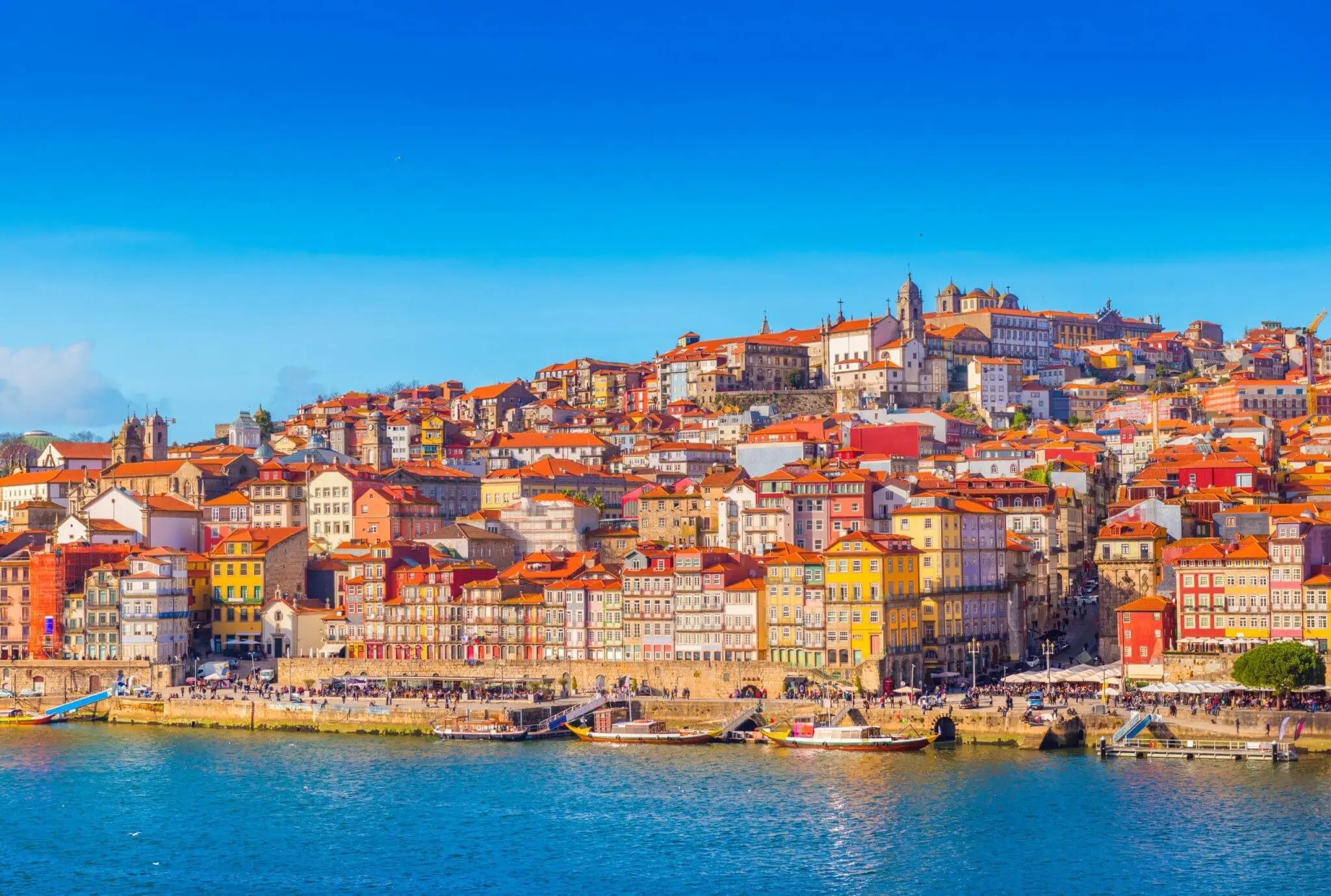
The Porto - Póvoa de Varzim stage is a long one. Starting at the historic Sé Cathedral, part of the route is right in the heart of the city. This urban trail is perfect for those who want to experience the contrast between the bustling metropolis and the inner peace of those who follow in Santiago's footsteps.

Stage 2: Póvoa de Varzim - Marinhas

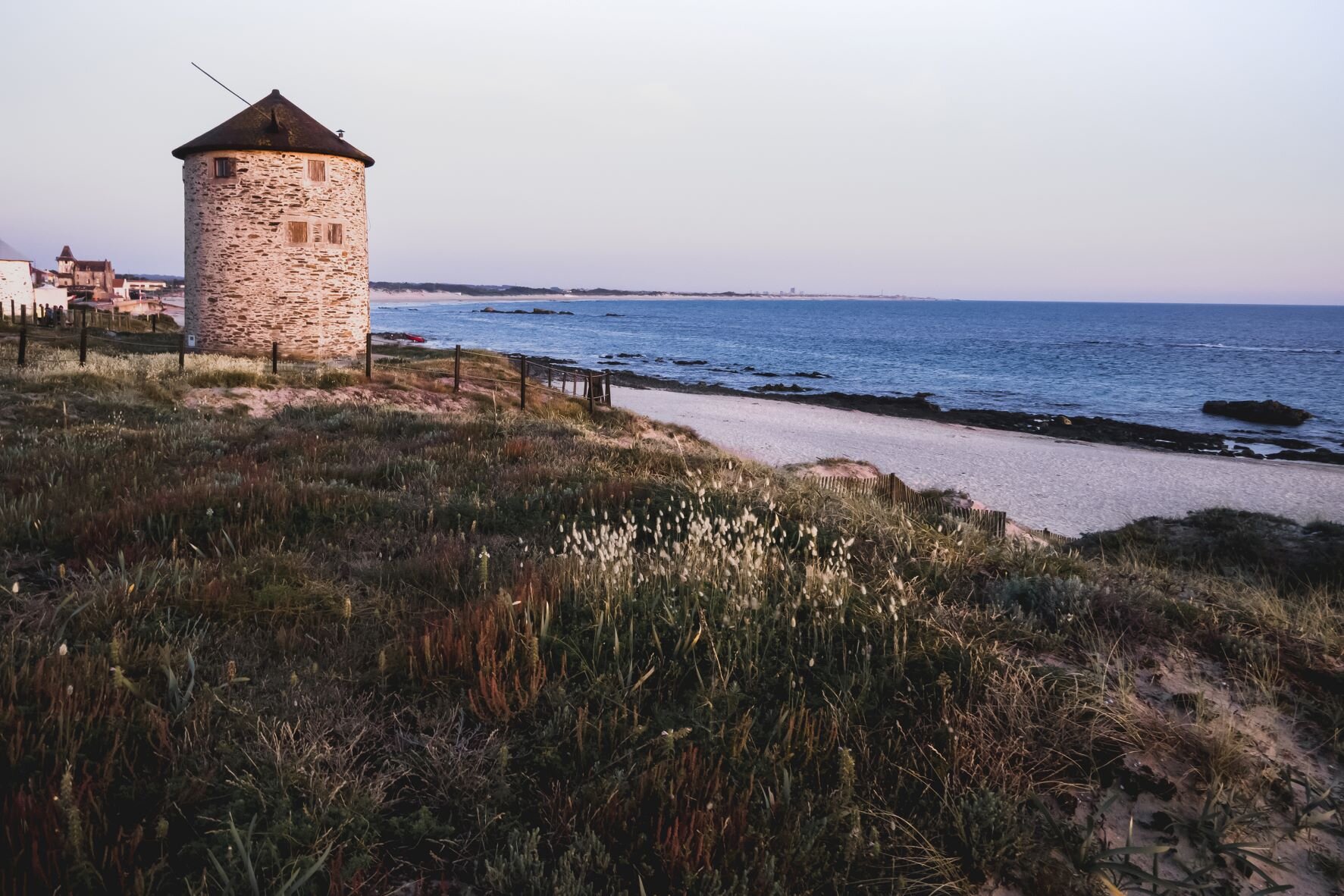
On the Póvoa do Varzim - Marinhas stage, we'll head out to sea from Póvoa de Varzim and continue for most of the route. Once again, we'll have to pay close attention to the wind and the proximity to the sea, as it makes it easier to get scalded.  

Stage 3: Marinhas - Viana do Castelo

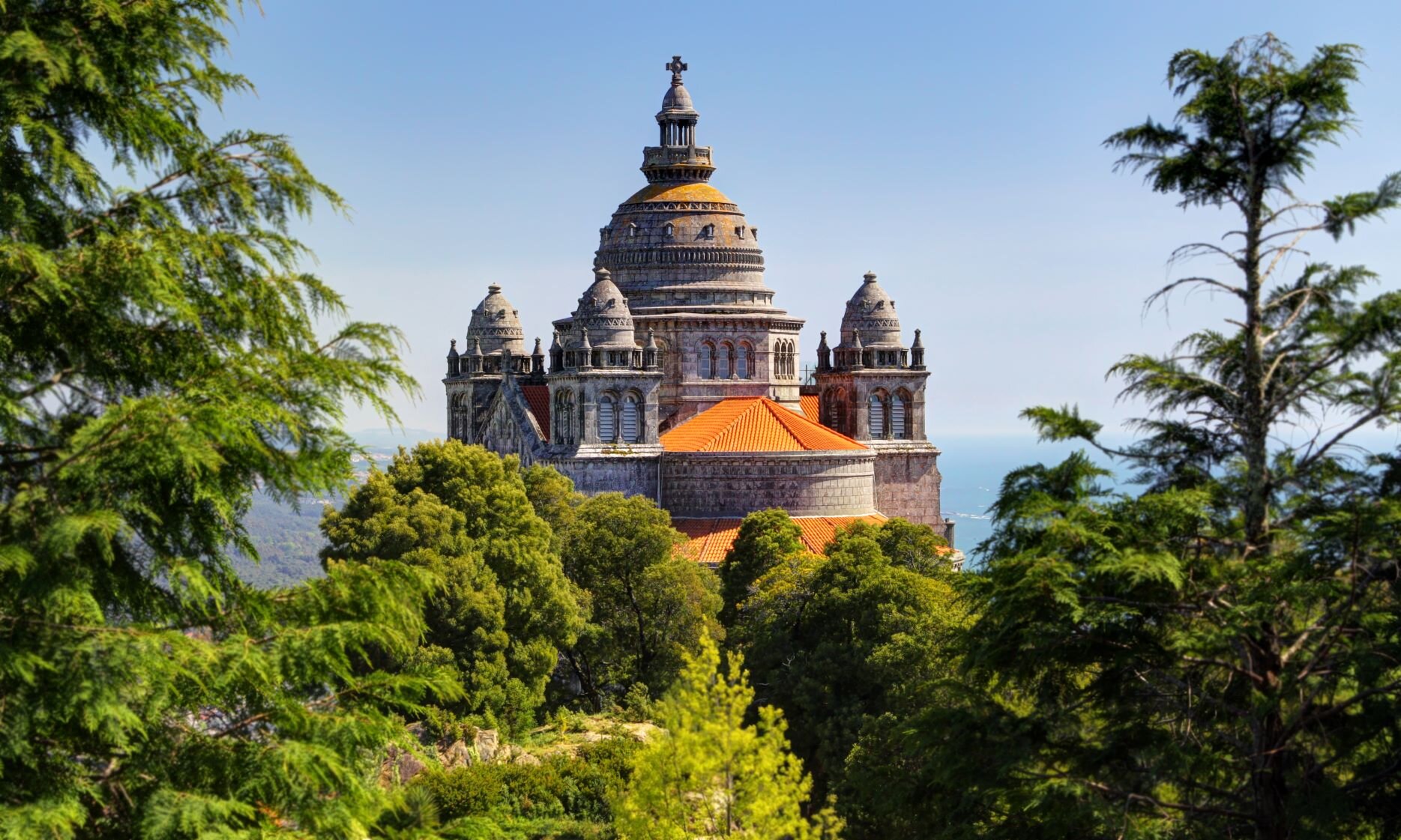
The Marinhas - Viana do Castelo stage takes us away from the sea, towards the sacred mountains of the millenary route. Although not difficult, a few climbs after the Church of Santiago in Castelo de Neiva may make our twins complain a little at the end of the day, but nothing out of this world. 
Stage 4: Viana do Castelo - Caminha

Stage 4: Viana do Castelo - Caminha

This is one of the longest stages of the next few days and, until you reach Vila Praia de Âncora, it's uphill all the way. On this climb we'll see small Portuguese villages with a unique charm that is irresistible to lovers of this corner of the seaside.
Stage 6: Valença – O Porriño

Stage 5: Caminha - Valença

The Caminha - Valença stage is the original variation of the Portuguese Coastal Path. Here we say goodbye to the ocean as a companion for all our steps, and the river takes its place. Despite the beauty along the flow of water, this route can be difficult as there are many climbs and descents all the way to Vila Nova de Cerveira.
Stage 6: Valença – O Porriño

Stage 6: Valença – O Porriño

This stage marks a new chapter in the Way: crossing the International Bridge over the Minho River is one of the most symbolic moments of the entire pilgrimage. You leave Portugal behind and enter Galicia, where the Coastal Way merges with the Portuguese Central Way.
Stage 7: O Porriño - Redondela

Stage 7: O Porriño – Redondela

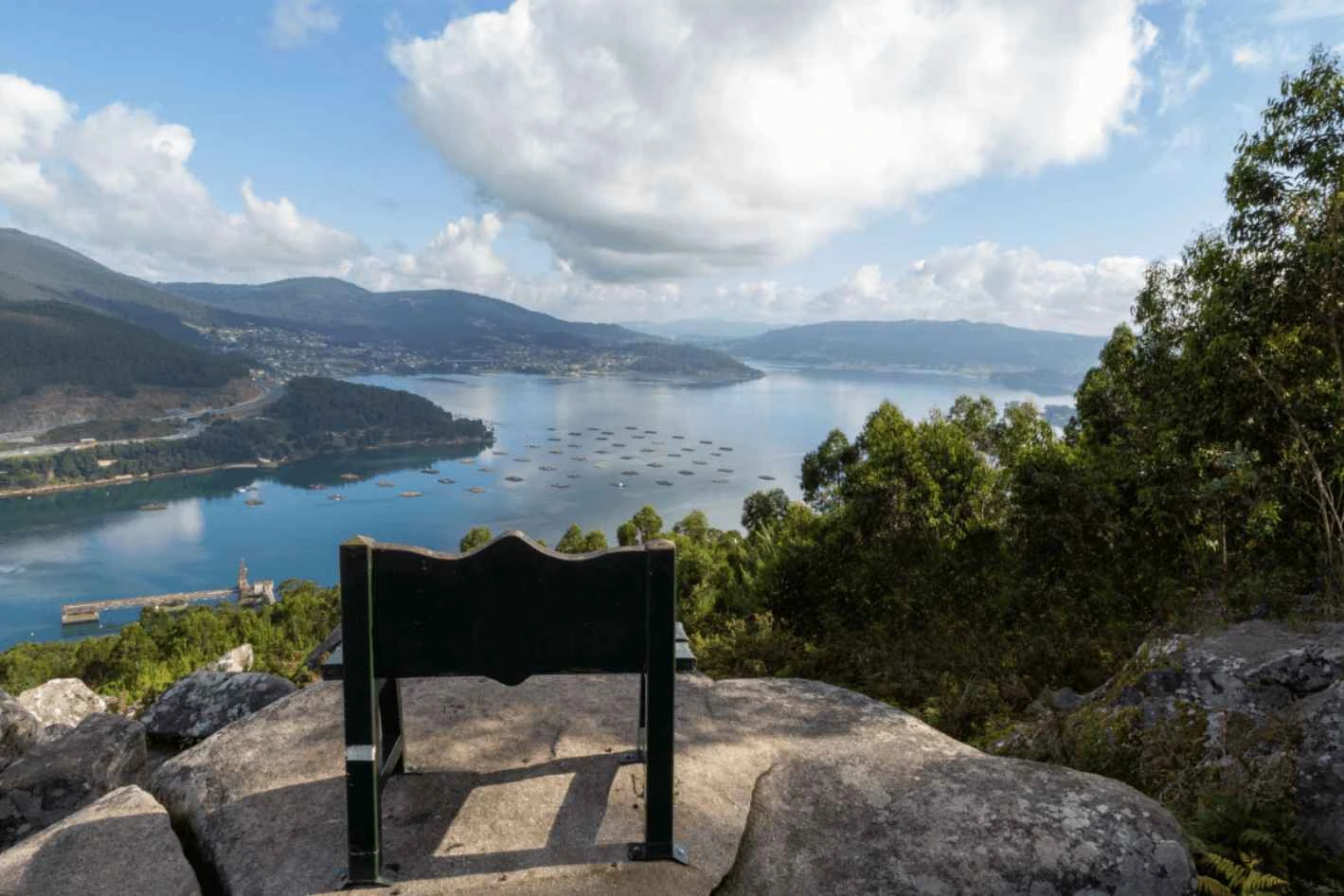
After a lighter stage the day before, the Way regains intensity with some climbs. Still, this is one of the most beautiful parts of the journey: it begins among rural trails and small villages and ends with the first views of the Vigo estuary.
Stage 8: Redondela - Pontevedra

Stage 8: Redondela – Pontevedra

The Redondela - Pontevedra stage, after the great walk of the previous day, is a refreshing ride with the best that the route to Santiago has to offer. Just outside the town, there are trails that lead us through small Galician villages and forests. 
Etapa

Stage 9: Pontevedra – Caldas de Reis

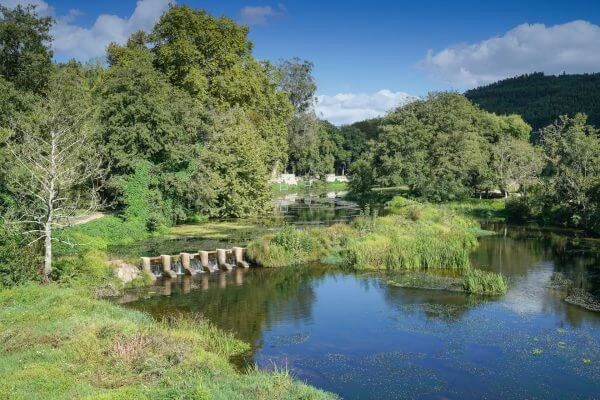
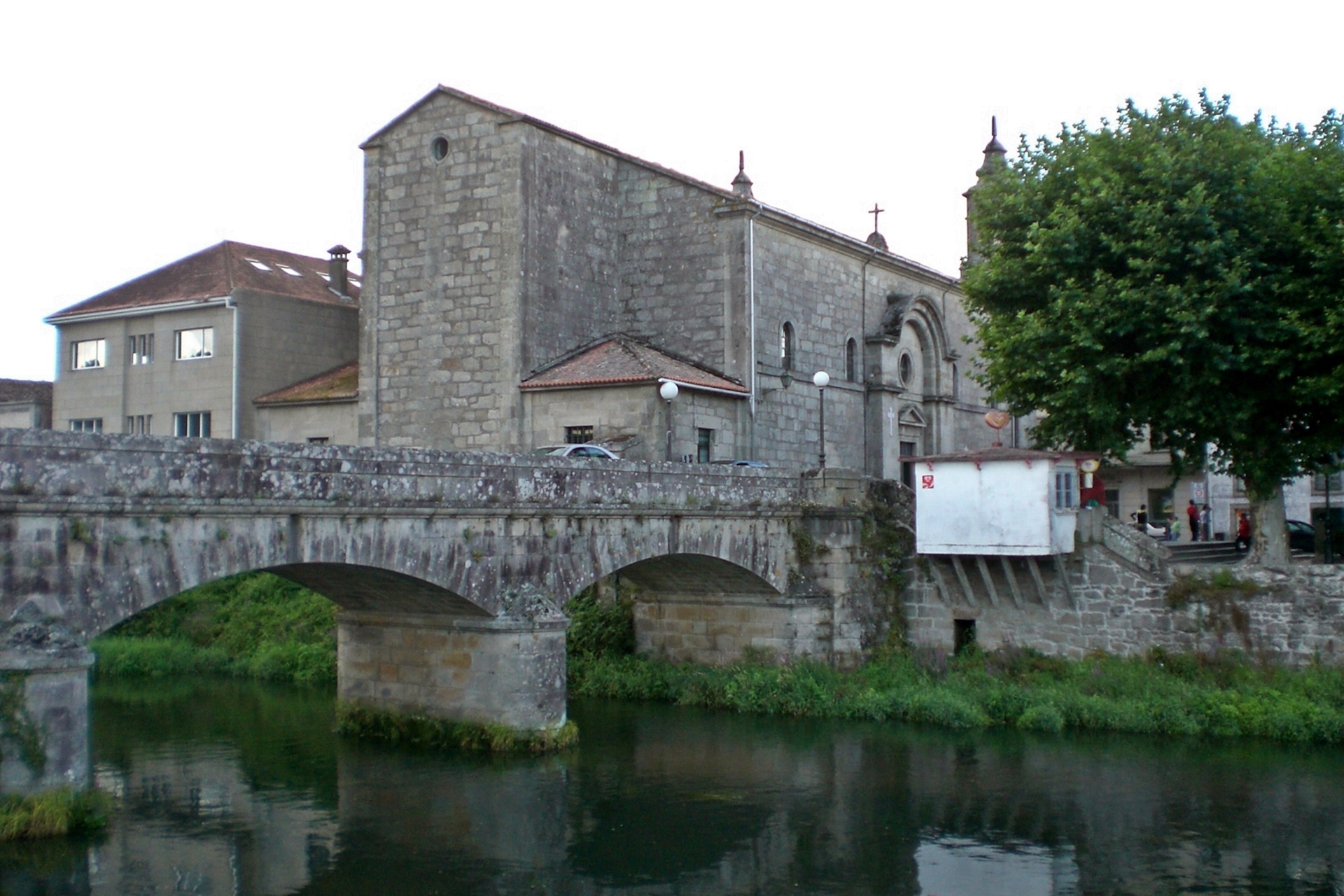
The Pontevedra - Caldas de Reis stage is a pleasant journey, with no major difficulties. After leaving Ponte do Burgo, the crossing becomes simple, with no notable elevations and an excellent selection of churches and other religious monuments.

Stage 10: Caldas de Reis – Padrón

The Caldas de Reis - Padrón stage is, for many, one of the most beautiful of the entire Camino de Santiago de Camino de Santiago. In these final moments of the pilgrimage, it's normal to see more and more people along the routes, more accommodation and, above all, more shops on the roads that take us to the Galician capital. 

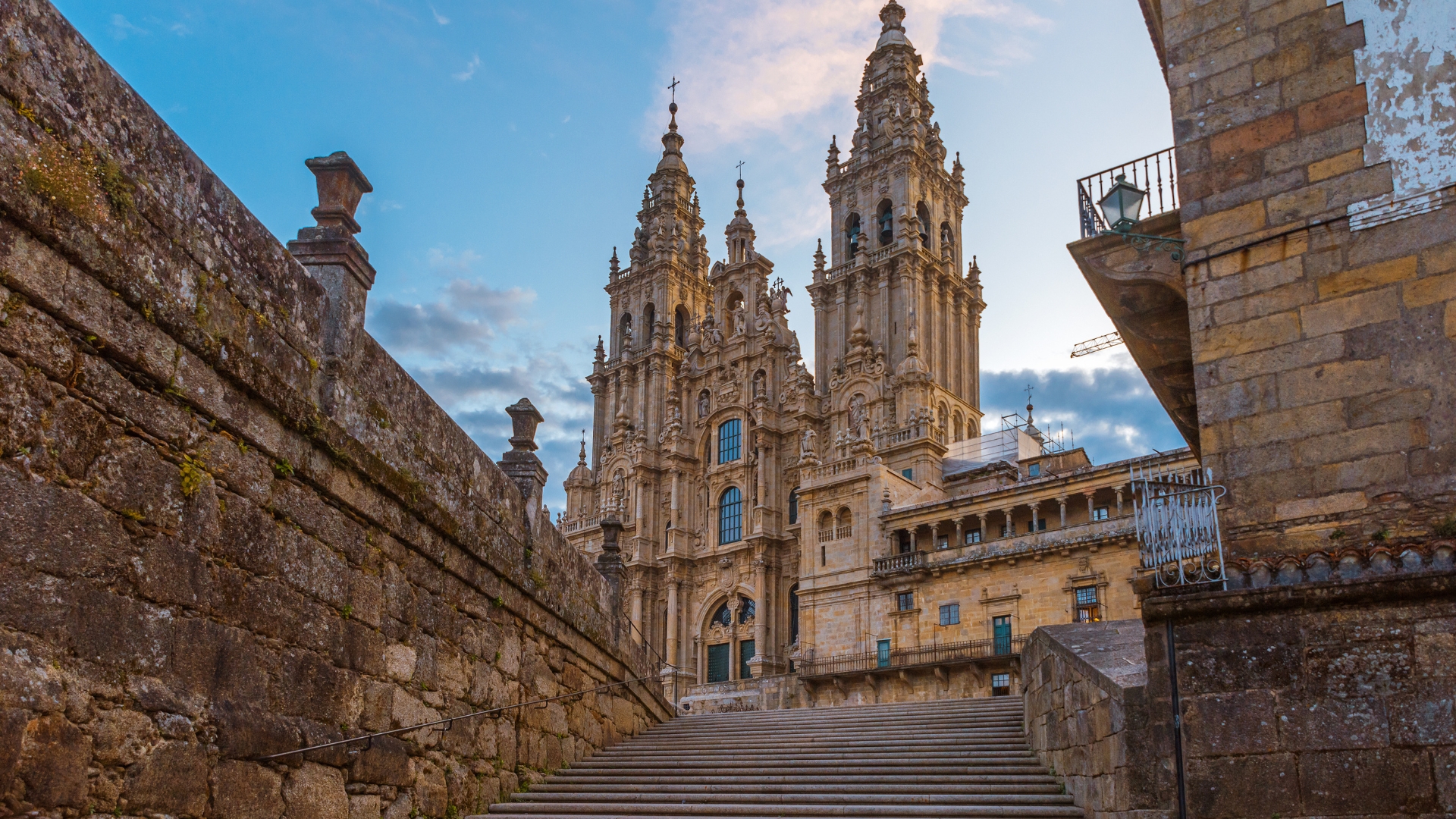
Stage 11: Padrón – Santiago de Compostela

The Padrón - Santiago de Compostela stage is a return to urban trails designed with cars in mind. After the Roman city, we start to make our way through the last forest we'll come across. The rest of the route is back on the road that has accompanied us over time. THE N-550.