Tips

Portuguese Coastal or Central Route: What's the Difference?
Decisions are always difficult, but there are ways to make the best one. Between the coastal route and the central route, pilgrims can choose. In this article, we'll talk about the strengths and weaknesses of each route.
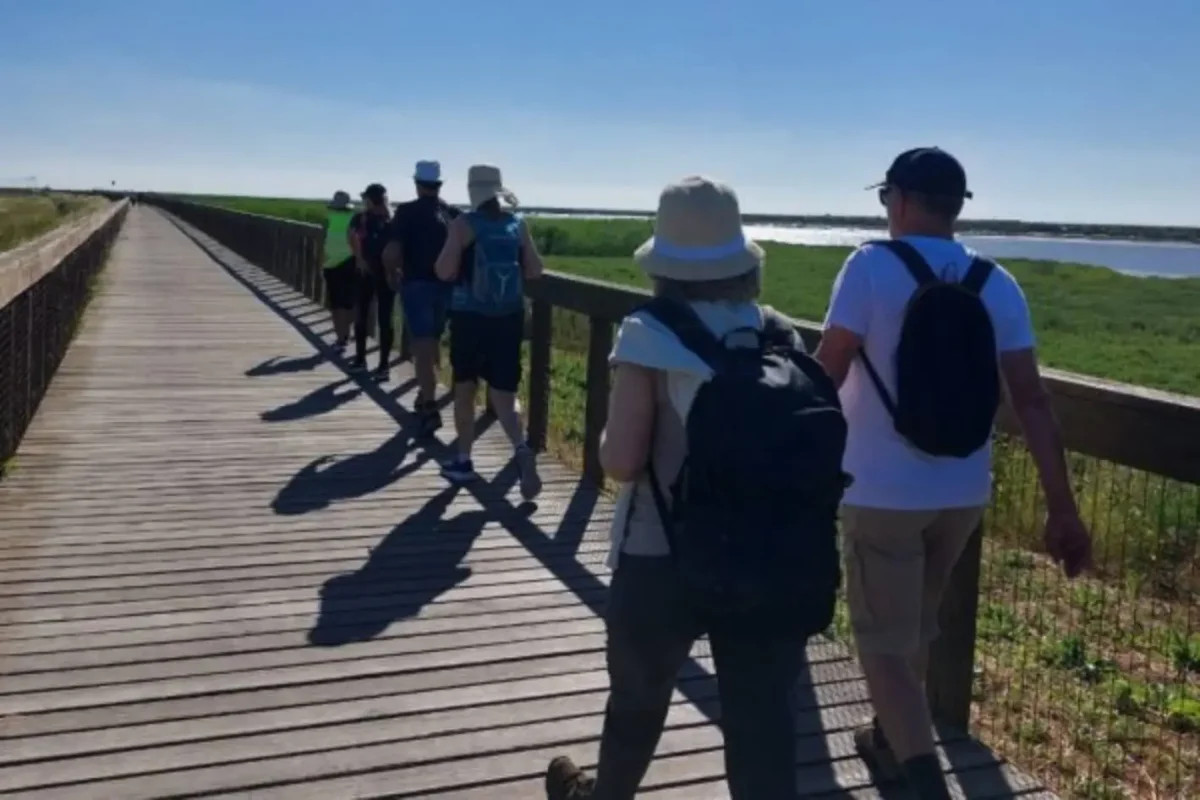
Preparation Walks: the first step towards the Camino de Santiago
As caminhadas de preparação para o Caminho de Santiago são uma iniciativa pensada para todos os que querem viver a experiência do Caminho, mas ainda não sabem como começar. Através de etapas reais do Caminho Português e com o acompanhamento de guias experientes, estas caminhadas ajudam a preparar o corpo, a mente e a logística para a grande jornada até Santiago
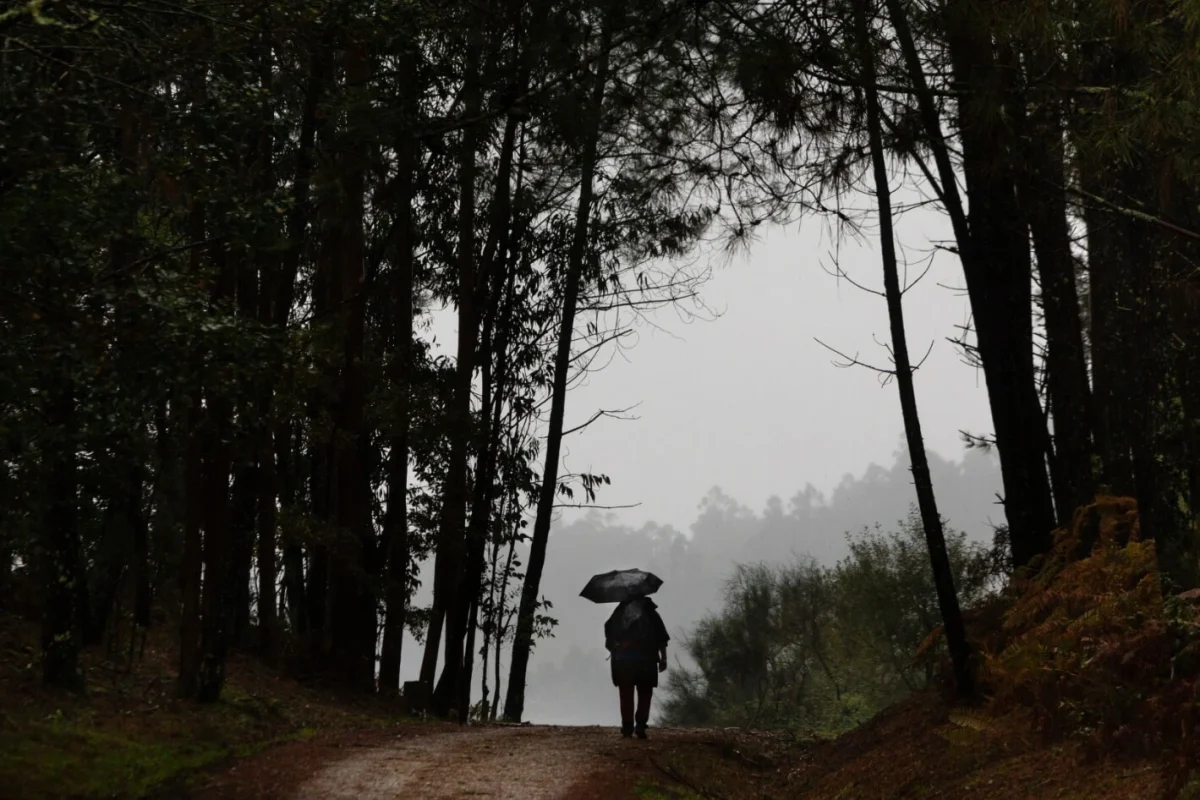
7 tips for staying dry on the Camino on rainy days
Rain on the Camino de Santiago? Don't let bad weather get in the way of your pilgrimage.
If you're planning to walk the Portuguese Camino de Santiago, it's essential to know how to face rainy days comfortably and safely. Rain can make the route more challenging, but with the right equipment and a few practical strategies, you can stay dry, avoid blisters and enjoy the journey with peace of mind. In this comprehensive guide, we've put together 7 essential tips for walking in the rain on the Camino de Santiago, including recommendations for waterproof clothing, foot care, backpack protection and a positive mindset.
Get ready to experience the Camino in any weather with resilience, comfort and pilgrim spirit.
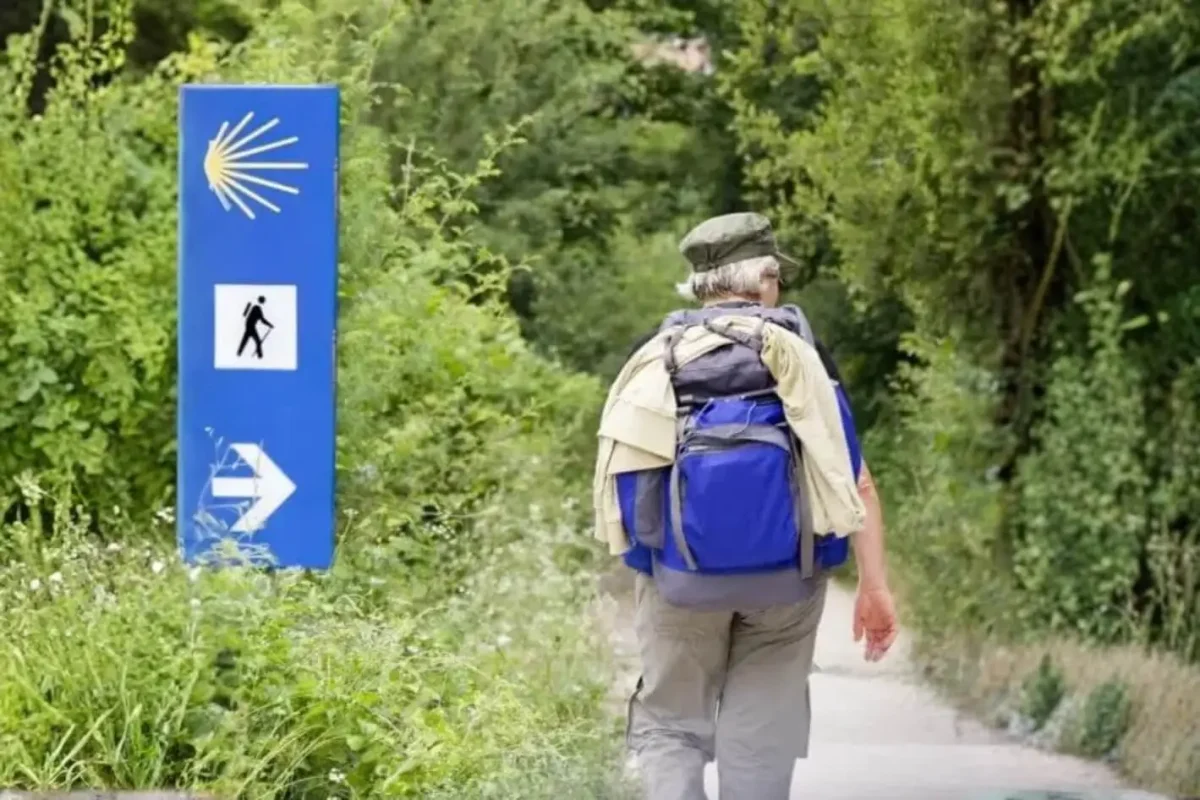

Coastal Trail vs. Coastal Path: Which to choose?
The Portuguese Coastal Way is one of the most popular routes to Santiago de Compostela. Its proximity to the Atlantic, the open light, the more relaxed pace, and the strong connection to nature make this route an increasingly popular choice.
However, upon arriving in Caminha, a common and decisive question arises:
should you follow the Coastal Way (via Valença) or opt for the Coastal Path? Although they are often confused, the Coastal Way and the Coastal Path are two different options, offering distinct experiences from Caminha, which only meet again later on the Central Way.
This guide was created to clarify these differences and help you choose the route that best suits you.

The Spiritual Variant of Portuguese Camino de Santiago: a path inward
There are paths that are taken to reach a destination and others that are taken to better understand what brought us there.
The Spiritual Variant of Portuguese Camino de Santiago clearly Portuguese Camino de Santiago to the latter group. It is not just an alternative route, but a proposal that invites pilgrims to walk with greater awareness, more silence, and a deeper connection to the origins of the Camino itself.
Between Pontevedra and Padrón, this variant crosses rural landscapes, ancient trails, monastic spaces, rivers, and the sea of the Ria de Arousa. It is a route where history, nature, and spirituality come together in a particularly harmonious way.
For many pilgrims, it is here that the Way ceases to be just a succession of stages and becomes a true inner experience.