Blog
Is it Safe to Walk the Camino de Santiago Alone? Everything You Need to Know!

Estimated reading time: 1 minute
Walking the Camino de Santiago alone can be a transformative and enriching experience. But it's normal to have doubts: "Is it safe to do the Camino?" The short answer is yes! However, as with any journey, there are precautions you should take to ensure a smooth experience. In this article, you'll find out everything you need to know to walk the Camino safely, confidently and independently.

Contents
- Is the Camino de Santiago Safe? Myths and Truths
- 3 Testimonials from Pilgrims
- Cláudia Ferreira: Did you feel any kind of insecurity along the Camino de Santiago because you were alone?
- Pedro Miguel Martins: Was it safe to walk the Camino de Santiago alone?
- Bruno Cardoso Durante: On the Camino de Santiago, did you feel any kind of fear along the way because you were alone?
- Safety Tips for Walking Alone
- Women Walking Alone: Precautions and Inspiration
- Essential Tips for Safe Walking:
- Apps, Equipment and Useful Resources for Safe Routes
- GPS Apps and Offline Maps:
- Essential equipment:
- Is it safe to walk the Camino? Yes, and it's worth it!
- Other testimonials
- Frequently asked questions
- Best-selling products
Is the Camino de Santiago Safe? Myths and Truths
Many pilgrims start the Camino with fears about safety. Here are some myths and truths that will help clear up your doubts:
- "The Way is dangerous because you pass through isolated places."
In reality, the most popular routes are well signposted and have a large influx of pilgrims and support services. - "Can I be robbed or attacked?"
Cases of crime on the Camino are rare. However, as with any journey, you should keep an eye on your belongings and avoid risky situations. - "Can I get lost on the Camino?"
The signposting is excellent and, with the help of maps or apps, it's easy to stay on the right route.
3 Pilgrims' testimonies
This is one of the most frequently asked questions in our group: Is it safe to walk the Camino de Santiago ? So we spoke to three people who had been through this experience to find out what they thought.

We asked some pilgrims what it felt like to venture out alone on the Santiago trails. These are the answers from Cláudia, Pedro and Bruno.

Cláudia Ferreira: Did you feel any kind of insecurity along the Camino de Santiago because you were alone?
"In general, no. All along the way, apart from one or two exceptions in more isolated places, I always felt super safe.
I think the most important thing is to go with the right spirit. I'm of the opinion that bad things attract bad things and vice versa and that was always my first thought.
I think it's important to talk about this, especially as a woman. I see this question a lot from women who would like to do the Camino alone, but who stop themselves because they're afraid of insecurity along the way. Well, insecurity is everywhere, you just have to get out of bed. It may be a somewhat radical thought, but I'm of the opinion that we should go, even if we're afraid. And fear is good! It keeps us alert and allows us to absorb and experience things differently.
When I told everyone that I was going to do the Camino alone, everyone turned up their noses at me, even to the point of calling me crazy. I didn't have any specific reason for doing it like that, it was simply something I really wanted to do and so I didn't wait for anyone, I just went and did it, because it was what made sense to me at the time.
I'm not going to lie, in certain more isolated areas I looked over my shoulder because, of course, they were more likely to be places where something worse could happen. I only had one situation where I was really afraid. In one of these more isolated places, a small forest where it would be strange for a so-called "normal" person to walk, I came across a somewhat suspicious-looking gentleman who passed me by. I said hello and carried on. But my instinct told me that something wasn't right, so I looked over my shoulder and he was simply standing there looking at me. I quickened my pace and gripped my baton tightly, as if I didn't need it ahah.
But I always had a lot of confidence in myself, in my "resourcefulness" and ability to defend myself and, above all, I had a lot of confidence in the Camino. When people tell you that even if you go it alone, you're never alone, that's the purest of truths. People come and go along the way to bring us exactly what we need at that moment. And, in my opinion, that's what the Way is and what it makes sense to be. We meet people, we follow stages with them, half accompanied, half alone, and I think that's the magic of doing the Camino alone: there's room for everything and to experience every part of this journey in the most diverse ways."

Pedro Miguel Martins: Was it safe to walk the Camino de Santiago alone?
"Doing the Camino de Santiago on my own was very safe.
I started the journey on my own, without planning any stages or places to stay or eat, apart from the day before I started the journey, where I booked a place to stay in the city of Porto.
I did the route in February (2022), which is considered low season, which in itself means that there are few walkers.
However, along the way, both in Portugal and Spain, I met locals and some walkers with whom I exchanged impressions and chatted and, at the end of the day, in the hostels, there were some walkers with whom I crossed paths for several days.
It should be noted that, unlike Portugal, where there was no PSP or GNR on the road, in Spain the Guardia Civil was present with a patrol and a support van, either for information or just to chat or take a photo. By the way, the Guardia Civil patrol was very friendly and hospitable, and they were there (I met them several days).
Over the course of ten days of walking, I've never been in any danger, but I would stress the importance of there being law enforcement agencies along the route to provide even greater security for the walkers."
Bruno Cardoso Durante: On the Camino de Santiago, did you feel any kind of fear along the way because you were alone?
"Not really, because I ended up not being alone.
I set out on this adventure alone, but on the second day, during a water and rest break, I got chatting to a group of people who were doing the same thing.
Since then, they've been traveling companions and we've reached our destination together.
As far as I know, it's quite common to meet people or groups on the way who are on their own and then make up a larger group. For me, this was one of the most interesting aspects of the trip.
The only thing I remember feeling a little afraid of (but not scared of) was the fact that I couldn't get a place to sleep easily. Day by day, I booked the places where I was going to sleep and it wasn't always easy.
I think it's hard to feel afraid, since the path is full of people who can always help you or make something easier. Of course, it always depends on the time of year you're doing the walk... I did it at the end of September, and I believe that in the winter months it can really make a difference, and then you might have some fears, either because of the weather, the shorter days or the fewer people you meet along the way."
Safety Tips for Walking Alone
If you're going to walk the Camino alone, follow these tips to make you feel safer:
- Choose a popular route - The French Way and the Portuguese Way are the busiest, which guarantees more support throughout the journey.
- Plan your trip - Before you set off, research the routes, hostels and assistance points.
- Keep in touch with friends or family - Send daily messages letting them know where you are and where you're going next.
- Avoid walking at night - Most pilgrims start their walk early to reach their destination during the day.
- Trust the pilgrim community - You'll never really be alone, as there are always other pilgrims willing to help.
Women Walking Alone: Precautions and Inspiration
Many women walk the Camino alone and describe the experience as safe and empowering. However, it's natural to have some concerns before embarking on this journey. The good news is that the Camino de Santiago is considered one of the safest routes for solo women travelers, due to the strong presence of other pilgrims, the local hospitality and the supportive culture among walkers.
Essential Tips for Safe Walking:
- Choose recommended hostels - Choose accommodation that has good reviews from other pilgrims.
- Plan your stages - Having a clear idea of where you're going to sleep can avoid unforeseen circumstances.
- Keep in touch with family or friends - Give regular updates on your journey.
- Avoid walking alone in isolated areas at dusk - during the day, there are always other pilgrims around.
- Carry a whistle or personal alarm - This can be an extra security feature and provide greater peace of mind.
- Trust your intuition - If something seems strange or uncomfortable, change your route or ask other pilgrims for help.
Apps, Equipment and Useful Resources for Safe Routes
GPS Apps and Offline Maps:
- Maps.me - For downloading maps offline and navigating without internet.
- Buen Camino App - Offers detailed information on the routes, accommodation and points of interest along the Camino.
- Camino Ninja - A popular app for pilgrims, with maps, distances and hostel recommendations.
- Komoot - Excellent for planning stages and following detailed trails.
- Google Maps and Google Translate – Useful for urban navigation and translation.
Essential equipment:
- Power bank - To keep your phone charged during the day.
- Head flashlight - Essential for hiking at dawn or dusk.
- Emergency whistle - Small and lightweight, it can be useful for attracting attention.
- Reflective vest - Essential to ensure you are visible on poorly lit roads or trails.
- Identification bracelet - With contact information and possible medical allergies.
Is it safe to walk the Camino? Yes, and it's worth it!
If you're considering doing the Camino alone, take the first step! You'll find unforgettable landscapes, challenges that will strengthen you and a community that will welcome you with open arms.
Ready to set off? Share your doubts or experiences on the Camino in the comments! Bon Camino!
Every experience is different. But these walkers are comfortable doing the route alone. Many start out alone, like Bruno, but find company along the way. Others, despite some trepidation, have continued on their way. Have you done the Camino de Santiago? Talk to us!
Other testimonials
The Camino de Santiago made up of steps, but also stories. Each pilgrim carries with them a unique experience—whether in the solitude of those who set out alone or in the sharing of those who walk accompanied.
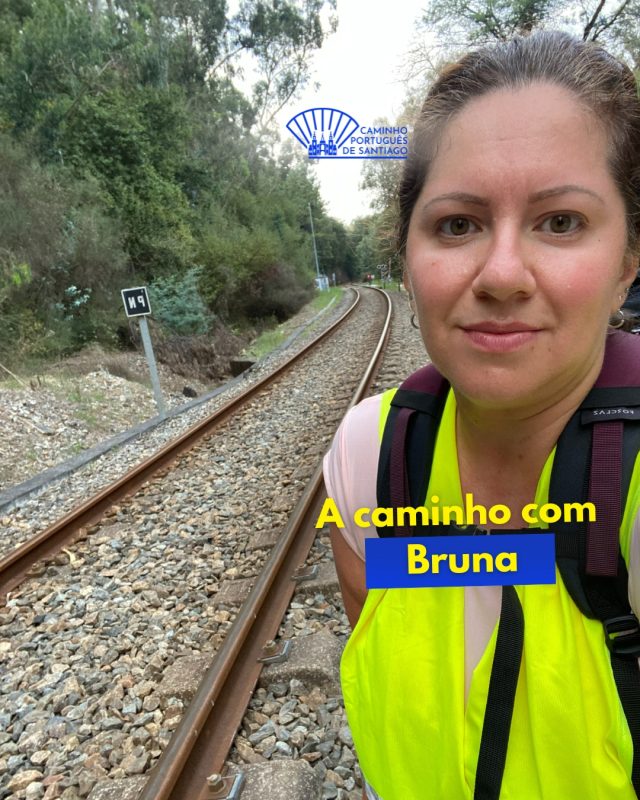
On the Way with…
In this new section of our blog, we give a voice to those who have already walked the Camino de Santiago, alone or accompanied. These interviews reveal authentic accounts, practical advice, and transformative moments experienced by pilgrims from different backgrounds. Stories that can inspire you and give you more confidence to embark on your own journey.
What you will find:
Diversity of experiences: women, men, young people, and seniors, all with unique perspectives.
Personal testimonials: What was it like to walk the Camino alone or share each stage in a group?
Practical tips: from recommended accommodations to little tricks for saving energy.
Inspiring reflections: what the Way has changed in each person, inside and out.


Frequently asked questions
Yes. The most popular routes are well marked, with a constant flow of pilgrims and local support. Cases of insecurity are rare.
The signage is excellent, and there are apps and offline maps that help you stay on the right track.
Many women have done it and describe the experience as safe and empowering. It is important to follow basic precautions, such as choosing recommended hostels and avoiding isolated areas after dark.
Popular routes such as the French Way or the Portuguese Way guarantee greater support, the presence of other pilgrims, and assistance services.
It is not mandatory, but it helps to avoid unforeseen circumstances. Having an idea of where to stay overnight and where to find support increases peace of mind.
Keep an eye on your belongings, especially in hostels and busy areas. Use secure backpacks and avoid leaving valuables unattended.
Items such as a headlamp, emergency whistle, reflective vest, and identification bracelet are recommended for greater peace of mind.
Yes. Many pilgrims start out alone but end up joining other groups along the way, forming bonds and sharing stages.
Trust the pilgrim community. The Way is made up of encounters and mutual support; you will never really be alone.
Best-selling products