Blog
The Camino de Santiago with the Family: Tips and Advice

Estimated reading time: 10 minutes
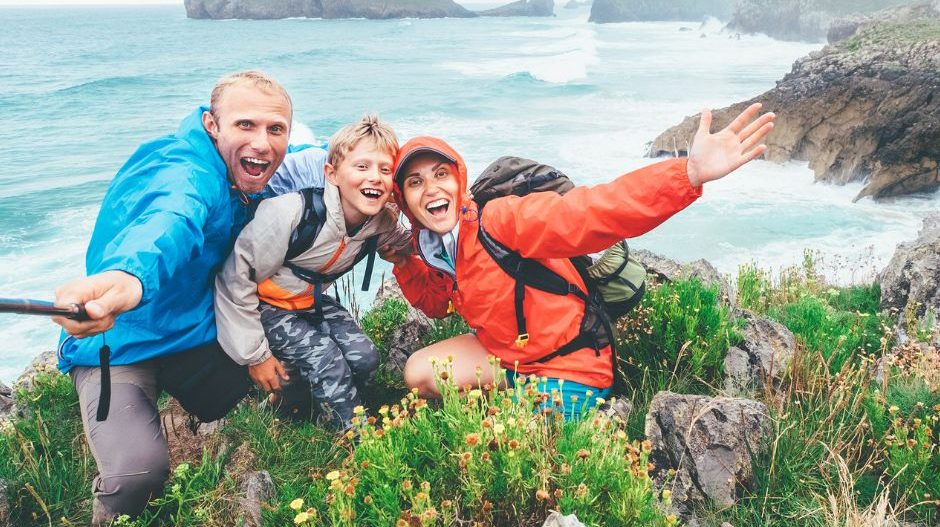
Walking the Camino de Santiago a family is possible and can be one of the most enriching experiences of your life. If you are planning to walk the Camino with children or family members of different ages, it is essential to prepare every detail carefully. From choosing the route to motivating the little ones, there are several strategies that make the journey safer, easier, and more enjoyable for everyone.
In this article, we've put together 10 practical tips for doing the Camino de Santiago as a familyincluding suggestions for routes, accommodation, snacks, safety and educational activities. Find out how to turn this pilgrimage into a moment of connection, discovery and unforgettable memories.
Contents
- 1. choosing the right route: Central Portuguese Way, Portuguese Coastal Way or Coastal Path
- 2. Planning and Physical Preparation
- 3. Pack smart
- 4. Choosing Suitable Accommodation
- 5. Motivation and Encouragement
- 6. Health and safety
- 7. Flexibility and Patience
- 8. Enjoy Family Time
- 9. Educational and Cultural Aspects
- 10. Tips on snacks to take with you
- Frequently asked questions
1. choosing the right route: Central Portuguese Way, Portuguese Coastal Way or Coastal Path
There are three main Camino de Santiago routes in Portugal that are popular with pilgrims: the Portuguese Central Way, the Portuguese Coastal Way and the Senda Litoral. Each offers a unique experience and it's important to choose the one that best suits your family's needs.
- The Portuguese Central Way: This is the most traditional and popular route, with good signposting and infrastructure to support pilgrims. The route passes through historic towns and rural landscapes, providing an experience rich in culture and history. It is a great option for families looking for safety and comfort, due to the greater availability of accommodation and services.
- Caminho Português da Costa: This route runs along the Atlantic coast, offering breathtaking views of the sea and the opportunity to pass several beaches. It is less busy than the Central Way, but still has a good infrastructure. The proximity to the sea can be especially pleasant for families, with the possibility of taking breaks for a swim or a picnic on the beach.
- Senda Litoral: This route is a variant of the Portuguese Coastal Path and follows closer to the coastline. It is an excellent option for those who want to enjoy continuous coastal landscapes and natural environments. However, the signage can be less consistent in some parts, and the infrastructure is more limited compared to the Central Way. This path is ideal for adventurous families who appreciate nature and are prepared for a slightly more rustic experience.
When choosing your route, consider the age and fitness level of your family members, as well as the type of experience you want to have. The coastal routes offer the added advantage of beach activities, while the Central Way offers more logistical support.

2. Planning and Physical Preparation
Before starting the pilgrimage, it is important that all family members are physically prepared. Taking regular walks and training with backpacks can help get your body used to the physical effort. Plan your itinerary with short, adjustable daily stages, taking frequent breaks for resting and eating.
3. Pack smart
Traveling with children means carrying extra items, but it's crucial to keep your luggage light. Prioritize essential items such as comfortable clothing suitable for walking, sunscreen, hats, and a basic pharmacy. Remember to take games or activities to keep the children entertained during breaks. Find out more about how to pack a backpack in our article: What to pack for the Camino de Santiago.
4. Choosing Suitable Accommodation
When walking with your family, especially children, it's important to book accommodation well in advance. Family hostels, pensions and hotels offer more comfort and privacy than traditional pilgrim hostels. Check that the accommodation has important amenities for your family, such as private rooms and family meals.
5. Motivation and Encouragement
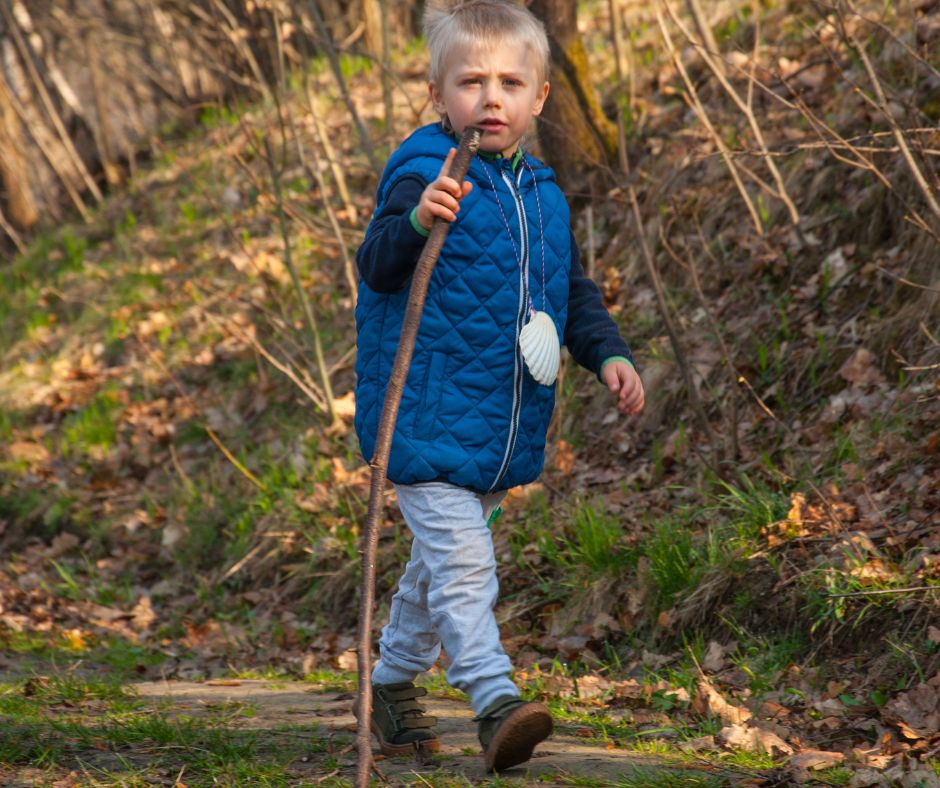
Keeping children motivated during the walk can be challenging. Turn the journey into an adventure by encouraging them to collect shells or stamps on the pilgrim's badge. Games, stories and activities along the way can make the walk more fun and interesting for the little ones.
6. Health and safety
Safety is a priority. Make sure everyone knows the meeting points and has a plan in case they get separated. Keep a first aid kit handy and be prepared to deal with minor injuries, blisters and other medical emergencies. Hydrate regularly and take breaks in the shade to avoid heatstroke.
To help, here is a list of emergency contacts for Portugal and Spain:
Portugal
Emergency (single emergency number)
- 112: Emergency call for any situation (doctors, police, fire department).
Doctors
- SNS 24: 808 24 24 24 (National Health Service)
- INEM (Instituto Nacional de Emergência Médica): 112 (through the emergency number)
Police
- Public Security Police (PSP): 112 (emergency number)
- GNR (Guarda Nacional Republicana): 112 (emergency number)
Fire Brigade
- Volunteer Fire Brigade: 112 (emergency number)
- Fire Brigade: 112 (emergency number)
Spain
Emergency (single emergency number)
- 112: Emergency call for any situation (doctors, police, fire department).
Doctors
- Medical Emergencies: 112 (via the emergency number)
- Salud Responde (Health Information Service): 955 54 50 60
Police
- National Police: 091
- Guardia Civil: 062
- Local Police: 092
Fire Brigade
- Bomberos: 080 or 085 (depending on the region)
These emergency contacts are essential to ensure your safety and well-being during your trip. It is always good practice to write these numbers down and keep them accessible during the Camino de Santiago.
7. Flexibility and Patience
Traveling as a family requires flexibility. Be prepared to adjust the plan as necessary, respecting the pace and needs of each member. Patience is essential, as unexpected challenges can arise.
8. Enjoy Family Time
The Camino de Santiago offers the opportunity to strengthen family ties. Take advantage of the walking moments to talk, reflect and share stories. Meals and breaks along the way are great opportunities to connect and enjoy each other's company.
9. Educational and Cultural Aspects
The Camino de Santiago is a journey rich in history and culture. Take the opportunity to teach children about the historical and cultural importance of the Camino. Visit churches, museums and tourist attractions along the route to make the experience educational and enriching.
10. Tips on snacks to take with you
Maintaining energy during a walk is essential, especially for children. Here are some suggestions for healthy and practical snacks to take along:
- Dried fruit: Rich in vitamins and minerals, such as raisins, apricots and dates.
- Nuts and seeds: Almonds, walnuts, chestnuts and pumpkin seeds are great sources of energy.
- Cereal or Granola Bars: Easy to carry and nutritious.
- Sandwiches: Made with wholemeal bread and healthy fillings such as cheese, turkey or peanut butter.
- Fresh fruit: Apples, bananas and grapes are practical and provide hydration and nutrients.
- Diced cheese: A good source of protein and calcium.
- Wholemeal cookies: Light and easy to transport.
- Yogurt: In individual packages, this can be a good option for a longer break.
Doing the Camino de Santiago as a family is more than just a trip - it's an opportunity to grow together. With the right planning, team spirit and flexibility, it's possible to adapt the Camino to the needs of each member of the family.
The walk becomes a space for sharing, learning and connecting with nature, culture and each other. Whatever your motivation, spiritual, educational or simply the desire to experience something different, the Camino offers the ideal setting for creating lasting memories.
With the right steps, this adventure can mark your family history forever.
Frequently asked questions
Yes, with proper planning and preparation, it's safe. Choose routes that are more frequented and well signposted, and always be attentive to children's needs.
There is no specific minimum age, but children from 7-8 years old are usually able to actively participate in the walk, depending on their level of fitness and the pace adopted.
Plan short daily runs, between 10-15 km, with several breaks. This helps to avoid excessive tiredness and keeps children motivated.
For children under 3, a baby backpack or trekking stroller can be useful. Make sure they are comfortable and suitable for long walks.
Games, stories, songs and nature-related activities can keep children busy. Encourage them to observe their surroundings and take part in interactive activities such as collecting shells or stamps.
Many hostels, pensions and hotels along the main routes offer family accommodation. Booking in advance ensures that you find suitable options.
Always have a first aid kit handy and familiarize yourself with the medical assistance points along the route. Keep local emergency numbers accessible.
Yes. Teenagers usually adapt well to the pace of the walk and can benefit from the experience as a moment of introspection, autonomy and contact with other cultures.
No. Along the main routes there are cafés, restaurants and grocery stores. However, it is advisable to take healthy snacks and enough water for each stage.
Yes. As long as they walk at least the last 100 km to Santiago and stamp the credential twice a day, all family members, including children, can receive the Compostela.