Blog
How to Save Money on Portuguese Camino de Santiago

Estimated reading time: 6 minutes
Those who plan ahead are more likely to saving money on Camino de Santiago. If your goal is to complete the course on a tight budget, the key word is planning. Seguem as melhores dicas!

Contents
- 1. Do the Portuguese Camino de Santiago in low season
- 2. Gives priority to public shelters
- 3. Explore the less frequented paths
- 4. Prepare your meals
- 5. Reconsider your memories
- 6. Use applications to share expenses
- 7. Take a reusable bottle
- Give us your opinion
- Frequently asked questions
- Best-selling products
1. Do the Portuguese Camino de Santiago in low season
Most people walk the Camino during the summer, especially in August. Although the summer months are popular, this high demand makes many services, such as hostels and restaurants, more expensive. Choose to do the Camino in spring (March to May) or fall (September to November). During these times, in addition to less pressure on accommodation, you'll find a milder climate and a less crowded experience. This helps you to saving money and enjoy the Way more peacefully.
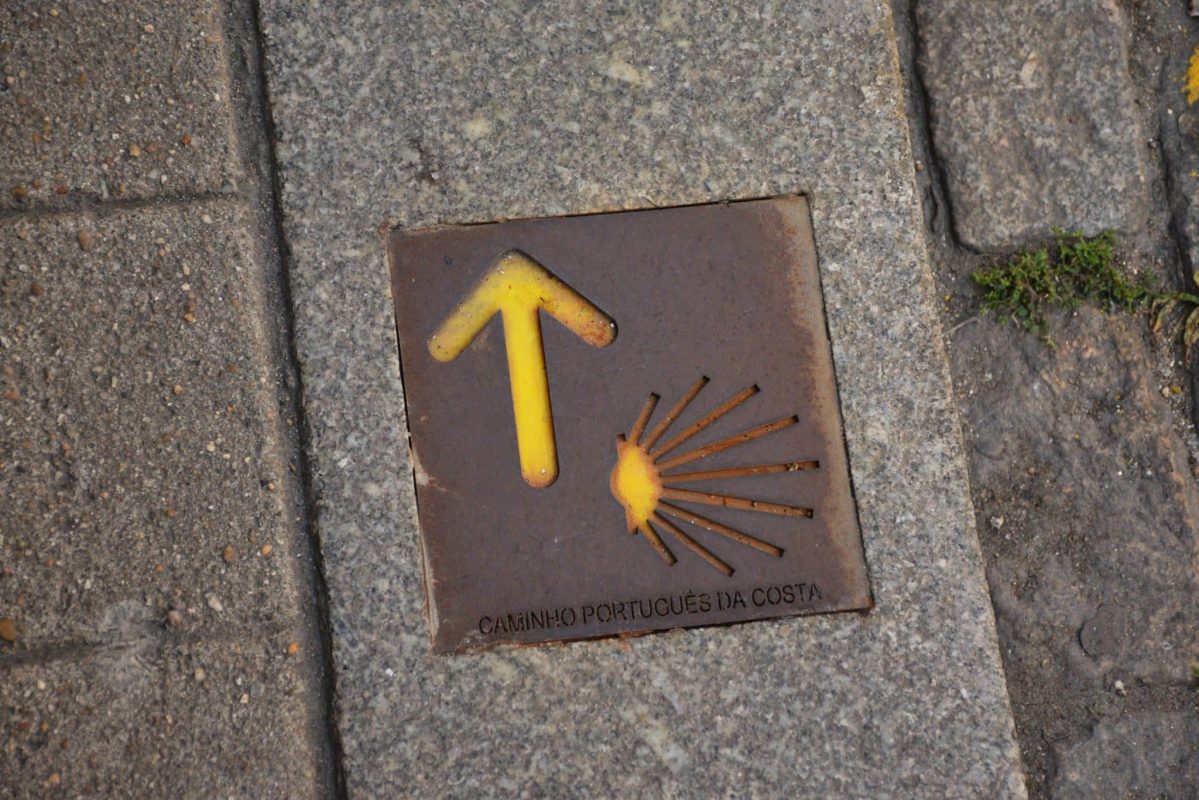
2. Gives priority to public shelters
Public hostels are the cheapest option for staying overnight on the Camino. As well as being affordable, they offer an authentic atmosphere for pilgrims to socialize. Plan your stages in such a way as to guarantee a place in these albergues, especially during the high season when demand is highest.
3. Explore the less frequented paths
There are several routes in the Portuguese Camino de Santiago: Central, Coastal, Inland and other variants. While the Central Trail is the most popular, less frequented trails such as the Interior Trail can offer more affordable prices in lodging and meals.
As well as saving money, these routes offer a more serene and authentic experience. Before choosing, research the options and see which best suits your budget and preferences.
4. Prepare your meals
One of the most effective ways to save money on the Camino is to prepare your own meals. Many albergues offer equipped kitchens where you can cook simple dishes and share moments with other pilgrims.
Buy food at local markets or supermarkets to reduce costs. Take light, nutritious snacks for the journey, such as nuts or energy bars, and reserve pilgrim menus for special occasions. These menus, which include a meal, drink and dessert, will still be an affordable option in 2025. Don't forget your pilgrim credential to access these offers.
5. Reconsider your memories
Although it's tempting to buy souvenirs at every stage, these expenses quickly add up. Instead, focus on the memories you'll create and the photos you can share with friends and family. If you still want to take something special, set a budget so you don't compromise your spending on the rest of the route.
6. Use applications to share expenses
There are free or low-cost apps that help you share expenses, such as transportation or food, with other pilgrims. Groups of pilgrims often organize themselves to share costs, which can be advantageous, especially on less frequented routes.
7. Take a reusable bottle
Drinking water points are common along the Camino, allowing you to refill your bottle instead of buying bottled water. You save money and help the environment.
Give us your opinion
Now that you have these updated tips, we want to know: do you have any savings strategies for Portuguese Camino de Santiago? Share them in the comments and help other pilgrims plan an unforgettable trip!
Frequently asked questions
Spring (March to May) and fall (September to November) are more economical and quieter seasons, with less pressure on accommodations and services.
Yes, they are usually the most affordable. However, it is important to plan your steps and arrive early, especially during peak season, to secure a spot.
Yes. Trails such as the Caminho do Interior tend to have lower prices for accommodation and meals, as well as offering a more peaceful experience.
Yes. Many hostels have fully equipped kitchens, allowing you to prepare simple and inexpensive meals. Buying food at local markets helps to reduce costs.
Set a specific budget for souvenirs and prioritize memories and photographs. You can also save money by bringing a reusable bottle to refill at drinking water stations.

Best-selling products