Blog
7 tips for staying dry on the Camino on rainy days

Estimated reading time: 13 minutes
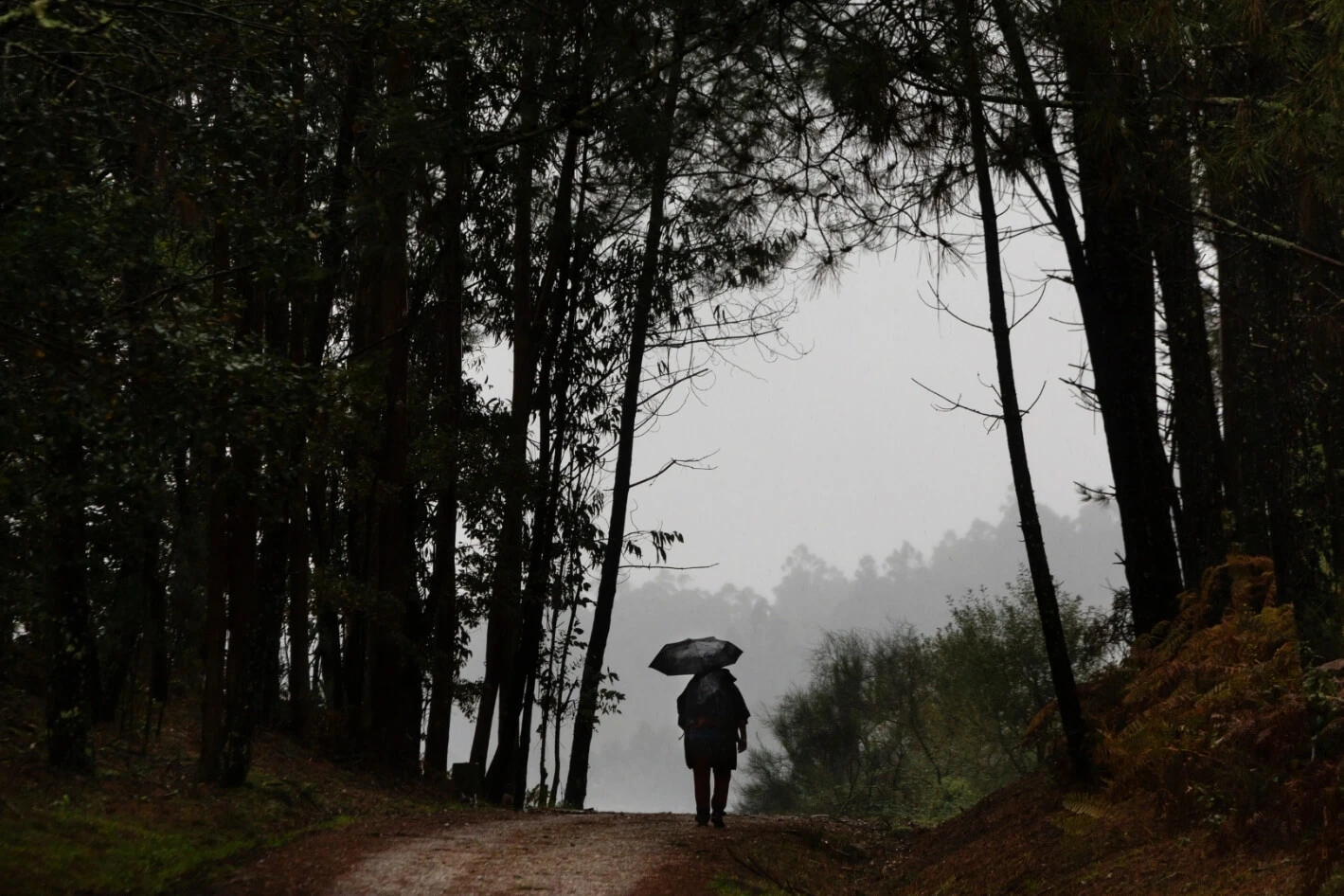
Rain on the Camino de Santiago? Don't let bad weather get in the way of your pilgrimage.
If you are planning to walk the Portuguese Camino de Santiago, it is essential to know how to deal with rainy days comfortably and safely. Rain can make the route more challenging, but with the right equipment and some practical strategies, you can stay dry, avoid blisters, and enjoy the journey with peace of mind. In this comprehensive guide, we have put together 7 essential tips for walking in the rain on Camino de Santiago, including recommendations for waterproof clothing, foot care, backpack protection, and a positive mindset.

Be prepared to walk the Way in any weather with resilience, comfort and pilgrim spirit.
Contents
- 1. choosing the right clothes and equipment
- 2. Foot protection: socks, shoes and accessories
- 3. Backpack protection: rain cover and internal organization
- 4. Gaiters, hats and other forms of additional protection
- 5. Strategic breaks and equipment maintenance
- 6. Health care: avoiding blisters, diaper rash and colds
- 7. Rainy day mentality: adaptation and resilience
- Frequently asked questions
- Best-selling products

1. choosing the right clothes and equipment
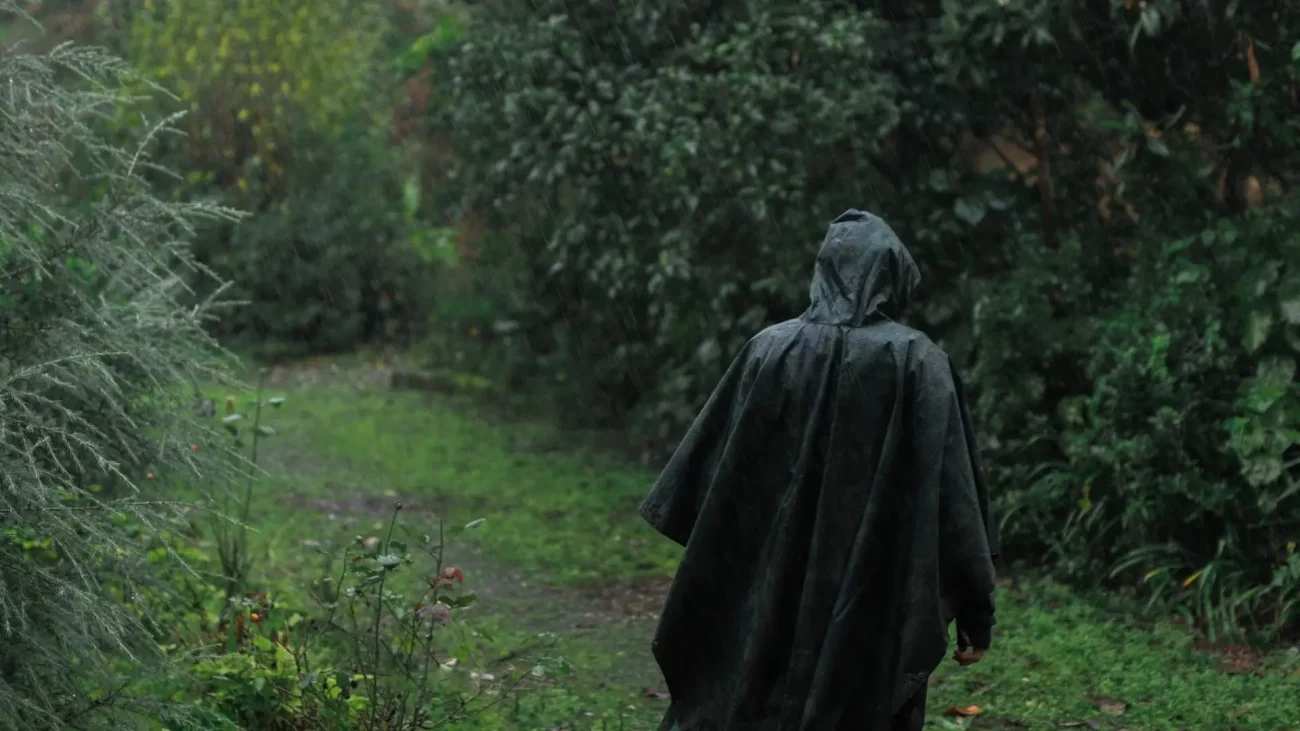
To stay dry and prepared, it's crucial to opt for waterproof and breathable clothing.
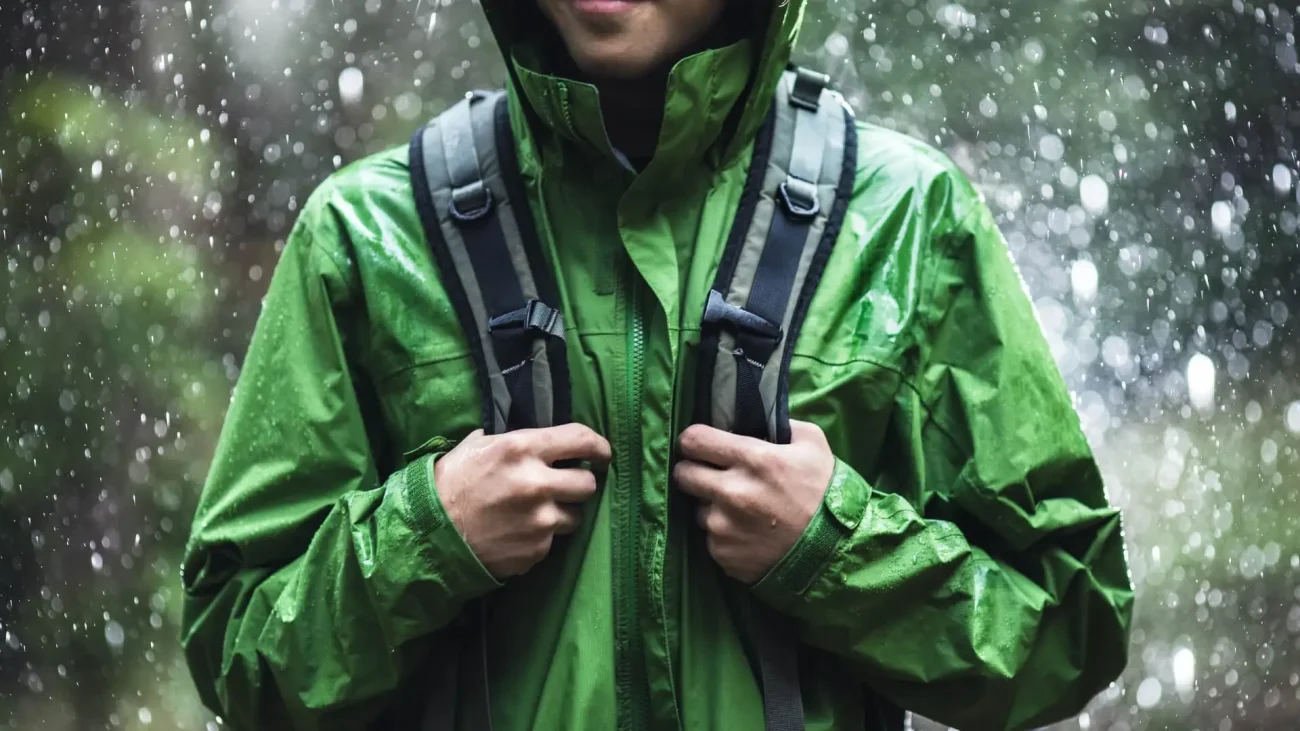
Waterproof and breathable jackets
A waterproof and breathable jacket is essential, preferably with materials such as Gore-Tex, which block water from entering but allow sweat vapor to escape. Opt for a model with an adjustable hood and sealed seams to ensure maximum protection.

Quick-drying jerseys and inner layers
A polyester or wool sweater is recommended, as these materials dry quickly and retain heat, even when damp. Adjustable inner layers allow you to regulate your thermal comfort as the temperature changes.
Waterproof pants
Waterproof pants should be wide enough to allow movement, but adjustable at the ankles to prevent water from seeping into your shoes. Models with side ventilation are useful for preventing overheating on longer hikes.
Layer system to adapt to weather and temperature
It adopts a layering system, consisting of a base layer to wick away sweat, a middle layer for thermal insulation and a waterproof outer layer. In this way, you can adjust the layers according to the temperature, maintaining a balance between warmth and ventilation.
2. Foot protection: socks, shoes and accessories
Feet are especially vulnerable on rainy days, so keeping an eye on their protection is essential.
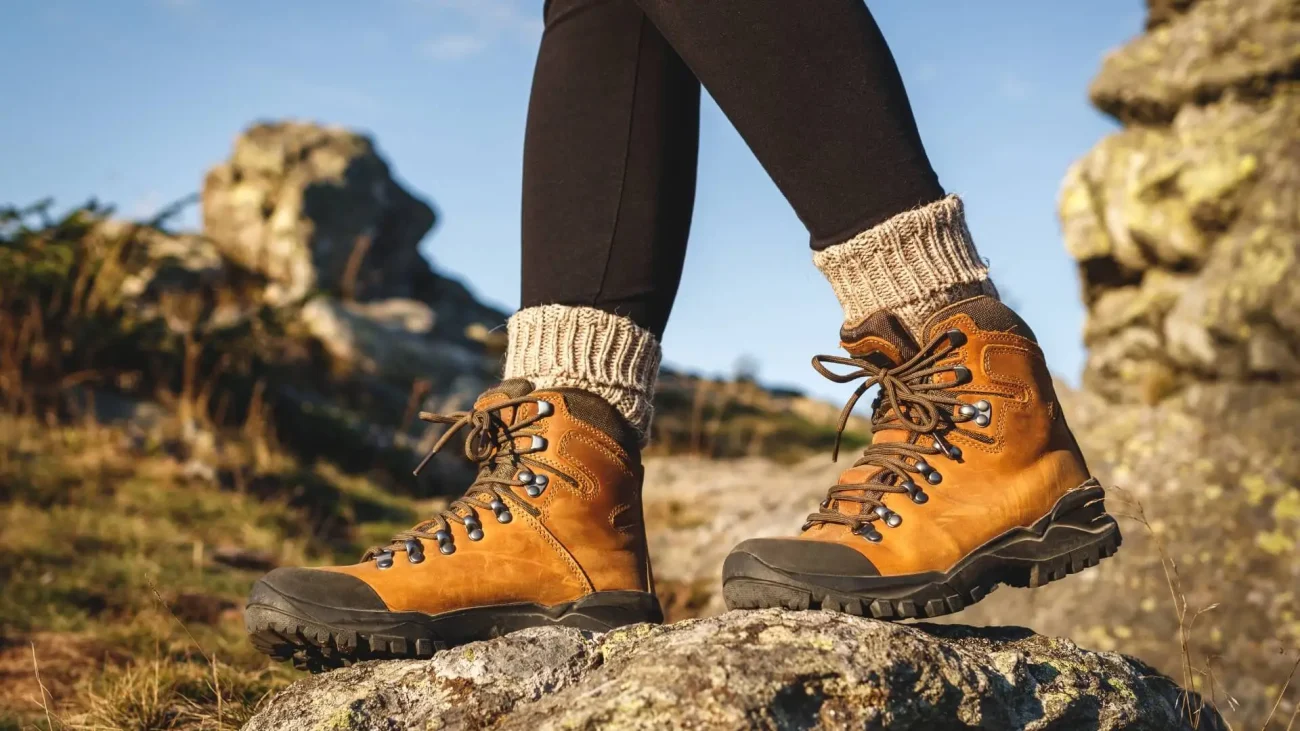
Waterproof and breathable footwear
Choosing waterproof boots with breathable technology, such as the Gore-Tex membrane, helps prevent excess moisture and keeps your feet dry. Alternatively, waterproof shoe covers are a viable option for protecting walking shoes in rainy conditions.
Merino wool or synthetic socks
Socks should be made of merino wool or synthetic fabrics, as they dry quickly and prevent blisters. Always carry a spare pair of socks in waterproof plastic bags.
Waterproofing spray and shoe covers
If your shoes aren't waterproof, applying a waterproofing spray can offer additional protection. Shoe covers also help prevent rain or mud from getting into your shoes. A practical solution on heavy rainy days.
3. Backpack protection: rain cover and internal organization
Your backpack should be well protected against water to ensure that your belongings stay dry, whatever the weather. If you have any doubts about what to pack in your backpack, find out more in our article: What to pack for the Camino de Santiago.
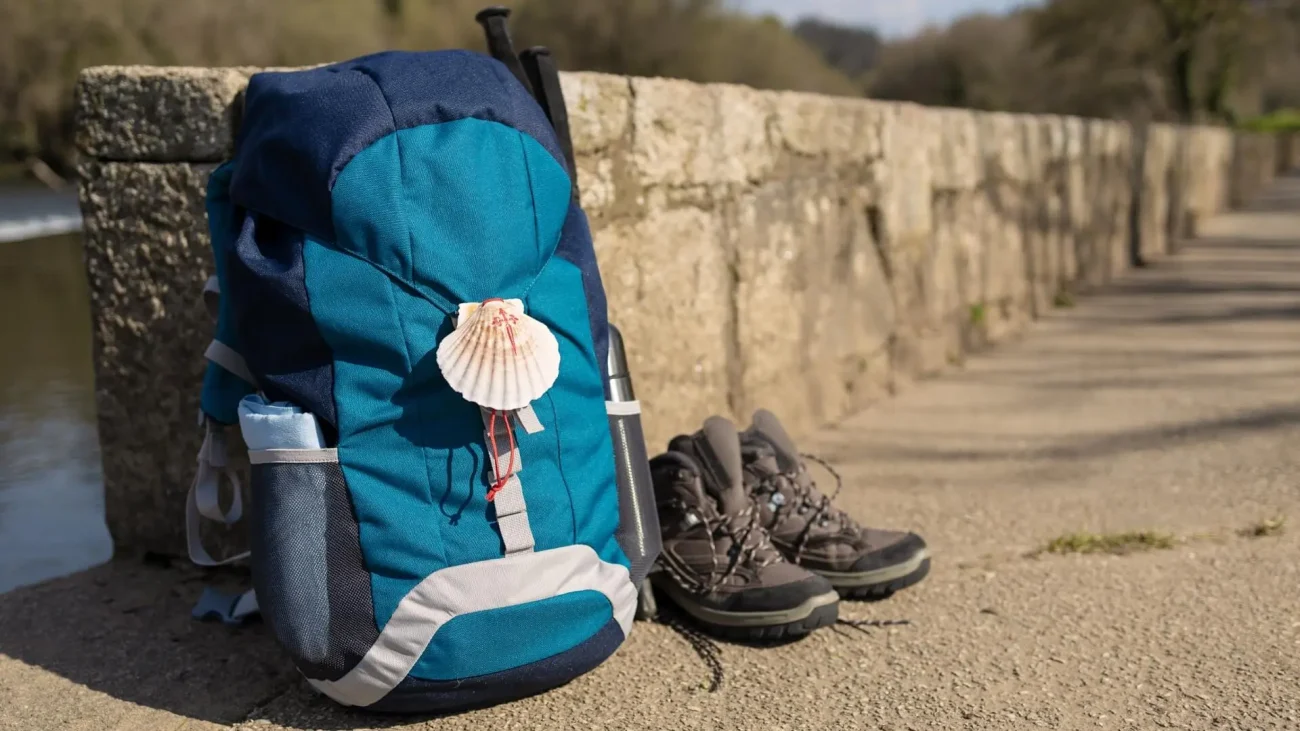
Rain cover for the backpack
Even if your backpack is waterproof, an extra rain cover is recommended. These cover the entire backpack, including the most vulnerable areas such as zippers and seams.
Internal organization with watertight bags
Put the most sensitive items, such as electronics, documents and spare clothes, in watertight bags inside the backpack. An additional layer of protection can be made with a sturdy plastic bag lining the inside of the backpack.

Accessories for organization and quick access
For rainy days, it's useful to organize your backpack in such a way as to allow quick access to spare clothes and accessories such as socks, hats and gloves. Compartments and organizer bags can help keep everything in order and protected.
4. Gaiters, hats and other forms of additional protection
Some additional accessories make a big difference on rainy days by preventing water from entering and protecting the most exposed areas.
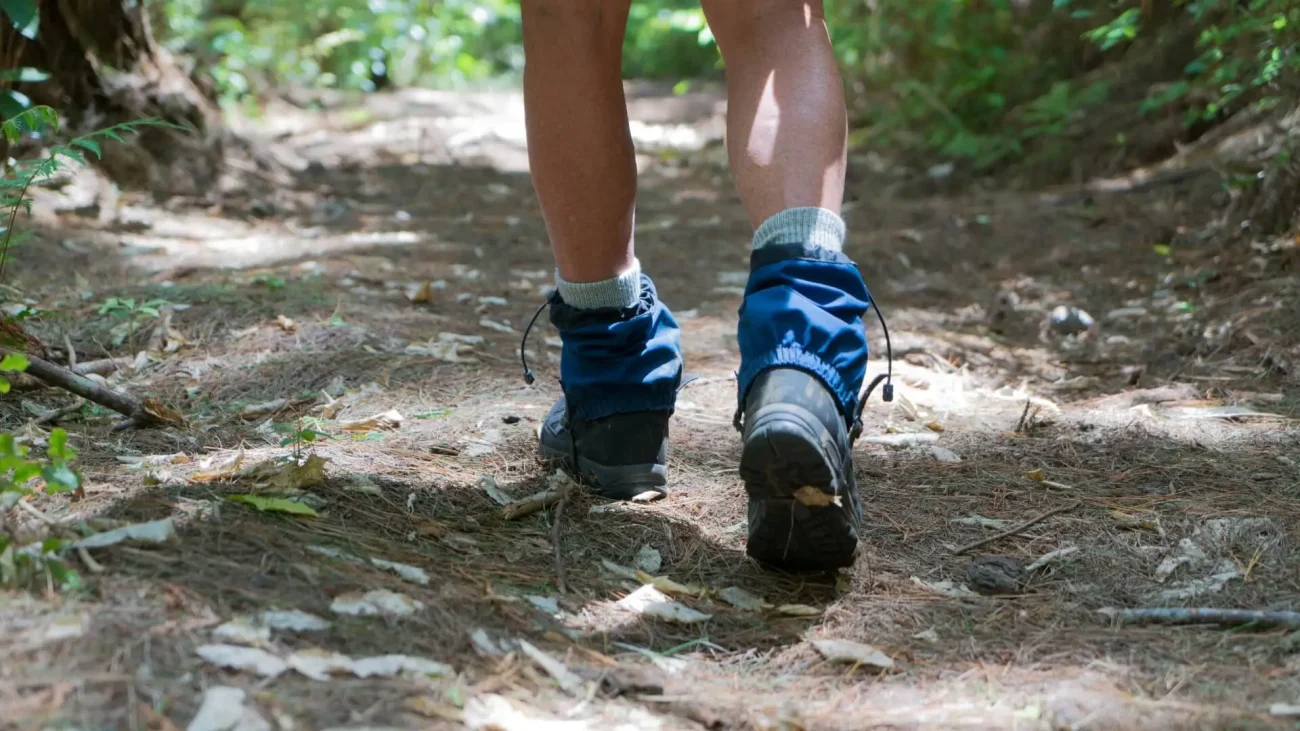
Gaiters for muddy terrain
Gaiters are accessories that cover the shin area and the top of the boots, preventing water, mud and small stones from getting in. They are very useful on rough and rainy terrain.
Waterproof hats with neck protection
Waterproof hats or caps with brims help keep your head dry and prevent water from running down your neck. These accessories also offer extra protection from the wind.
5. Strategic breaks and equipment maintenance
It is important to take strategic breaks in sheltered areas to check the condition of the equipment and change clothes if necessary.
Drying and recovery breaks
During the Camino, take advantage of breaks to remove excess water from your equipment and change socks or other wet items. Avoid prolonged breaks outdoors, as your body can cool down quickly.
Maintenance and drying of clothes and shoes
At the end of the day, remove the insoles from your boots and open them up to make sure they dry completely. Hang up damp clothes in a ventilated place so they're ready for the next day.
Use microfiber towels
Microfiber towels are lightweight, dry quickly and are ideal for absorbing moisture. Having one on hand allows you to clean your equipment and skin during the ride, offering more comfort.
6. Health care: avoiding blisters, diaper rash and colds
The health of your feet and your body in general is crucial for safe and comfortable walking, especially on wet days. Keep yourself protected and also follow the national health system.
Preventive care to avoid blisters
On rainy days, friction on the feet increases due to humidity, which makes it easier for blisters to appear. Use anti-friction cream on your feet and in areas where the equipment may cause discomfort. Change your socks regularly to prevent prolonged dampness from aggravating friction.
Prevention of diaper rash and skin care
Use an anti-itch cream or powder on areas that are more prone to friction. Sweat, combined with external humidity, can cause rashes in areas such as the inner thighs or under the arms.
Prevent colds and take care of the immune system
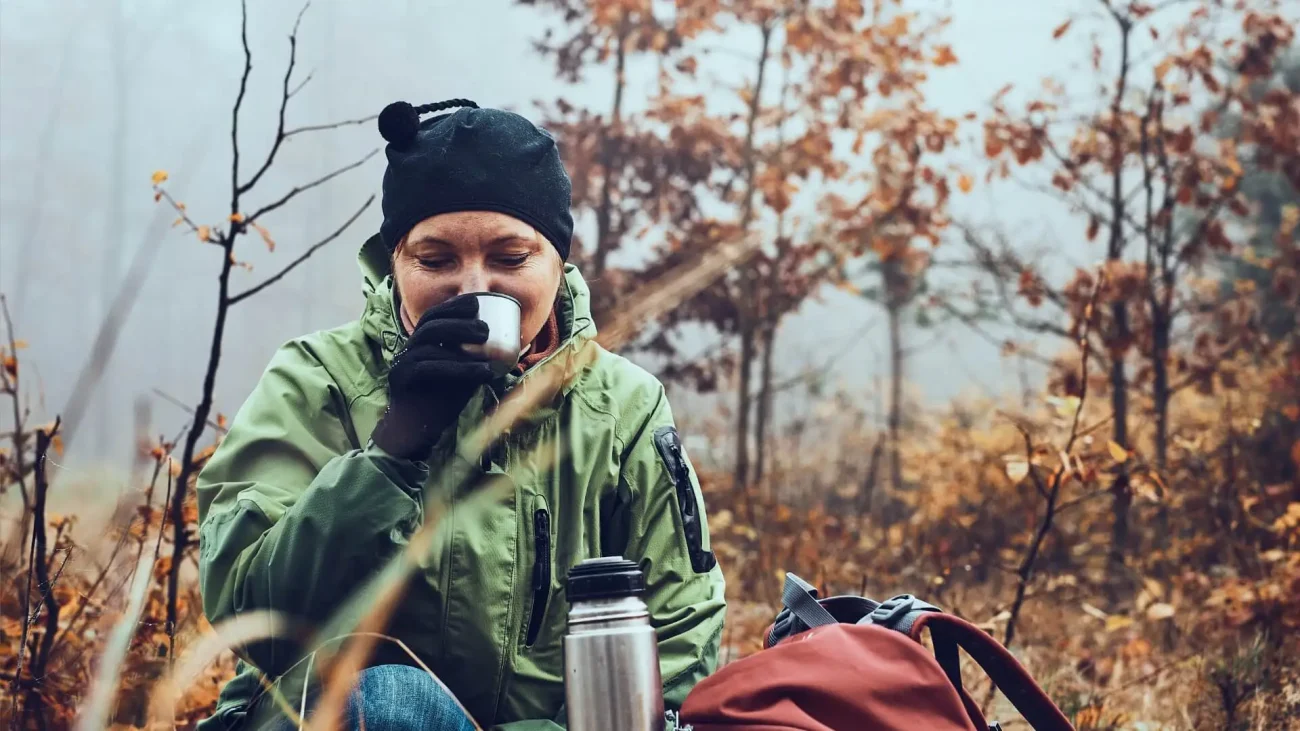
Keeping your body warm and dry is essential for avoiding colds. Always keep a change of dry clothes to change into after your hike. Take vitamin C supplements with you and a thermos with a hot drink to boost your immunity.
7. Rainy day mentality: adaptation and resilience
Walking in the rain can challenge patience and motivation, but keeping a positive and adaptable mindset can make all the difference.
Plan realistic steps and adjust expectations
On rainy days, reduce the distance between stages to allow for more frequent breaks. Rain makes the terrain more slippery and the route can be slower, so it's important to adjust expectations and avoid rushing.
Enjoy the experience and the scenery on the way
Walking in difficult conditions strengthens resilience and offers a unique perspective on the Camino. Enjoy the tranquillity of rainy days, the scent of damp forests and the sound of rain for a more introspective experience.
Rain on the Camino de Santiago doesn't have to be an obstacle, it can be part of the beauty of the experience. With the right choices of clothing, footwear and backpack organization, you can walk comfortably even on wet days. More than avoiding discomfort, being prepared allows you to enjoy each stage with serenity, even when the sky is gray.
The rain invites introspection, listening to your body and contemplating nature in its purest state. With resilience and preparation, every drop can become a memorable moment in your pilgrimage.
Plan well, equip yourself wisely and live the Way with confidence, come rain or shine.
Frequently asked questions
Yes, as long as you use the right equipment and adjust your pace and stages. Rain requires more attention to the terrain and your physical condition.
A waterproof and breathable jacket with an adjustable hood and sealed seams. Materials such as Gore-Tex are highly recommended.
Yes. Boots with a waterproof and breathable membrane help keep your feet dry and prevent blisters. Shoe covers are a useful alternative.
Use an external rain cover and organize the internal items in waterproof bags. This ensures that documents, electronics and dry clothes are protected.
Take strategic breaks to change socks and wet clothes. At the end of the day, dry your shoes well and hang up your clothes in a ventilated place.
Yes. Wear merino wool or synthetic socks, apply anti-friction cream and change socks regularly. Keep your feet dry whenever possible.
Adopt a positive mindset and adjust expectations. Rain can make the Camino more introspective and offer unique moments of connection with nature.
Not recommended. The umbrella can be difficult to handle with the wind and a backpack on your back. A good waterproof jacket with a hood offers more effective and practical protection during the hike.
Store your documents, cell phone and powerbank in waterproof bags or zip-lock pockets inside your backpack. You can also use a waterproof chest pocket for quick and safe access.
Keep your clothes and shoes dry whenever possible, adjust the pace of the stages and book accommodation with good drying conditions. Always take spare dry clothes in waterproof bags and remember, the discomfort will pass, but the experience will remain.
Best-selling products